
 AU
AU
 UK
UK
 US
US
 NZ
NZ
 IND
IND

 CA
CA

 Share
Share
 X (Formerly Twitter)
 Whatsapp
 Facebook
 LinkedIn
 Telegram
 Email This Article
 Copy Link
 Summarize with AI
 Chat GPT
 Perplexity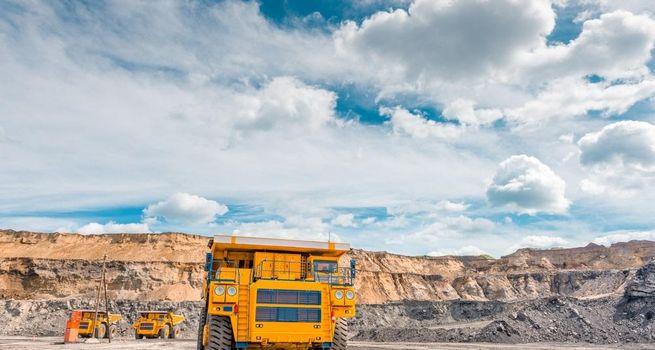
DPM Metals Inc. (TSX: DPM) has steadily gained attention among investors tracking the mining and metals sector, particularly amid global uncertainty and rising demand for precious and base metals. As commodity cycles evolve, understanding the company’s fundamental drivers, growth outlook, and risks becomes essential for making informed investment decisions.
Key Reasons Behind Recent Downtick
The recent softness in DPM Metals’ stock price can be attributed to a combination of macroeconomic and company-specific factors.
Firstly, commodity price volatility plays a central role. Mining companies are highly sensitive to fluctuations in gold, copper, and other metals. Any correction in these prices directly impacts revenue expectations and investor sentiment.
Secondly, rising operational costs have weighed on margins. Inflationary pressures—particularly in energy, labor, and logistics—have reduced profitability across the mining sector, including DPM Metals.
Another factor is global interest rate tightening, which tends to reduce investor appetite for riskier assets like mining equities. Higher rates also strengthen the US dollar, often putting downward pressure on commodity prices.
Lastly, profit booking after previous rallies has contributed to short-term corrections, especially among institutional investors rebalancing portfolios.
Key Growth Catalysts
Despite recent weakness, DPM Metals has several strong growth drivers that could support long-term upside.
- Strong Commodity Demand Outlook
Global demand for metals—especially gold (as a hedge) and copper (for electrification and infrastructure)—remains robust. The ongoing energy transition and electrification trends are particularly supportive for base metals.
- Expansion and Production Growth
If DPM Metals continues to expand its production capacity or improve operational efficiency, it can drive higher output and revenue. New project developments or mine expansions can significantly enhance valuation.
- Cost Optimization Initiatives
Strategic cost control measures, including automation and optimized supply chains, could improve margins even in a volatile pricing environment.
- Strategic Acquisitions
Mergers or acquisitions of high-quality assets can boost reserves and extend mine life, strengthening long-term growth visibility.
- Favorable Gold Market Dynamics
In times of geopolitical uncertainty or economic slowdown, gold demand typically rises, benefiting companies like DPM Metals with strong exposure to precious metals.
Key Risks to Consider
Investing in DPM Metals is not without risks. Investors should carefully evaluate the following:
- Commodity Price Risk
Revenue is directly tied to metal prices. A prolonged downturn in gold or copper could significantly impact earnings.
- Operational Risks
Mining operations are inherently complex. Delays, accidents, or technical issues can disrupt production and increase costs.
- Regulatory and Environmental Risks
Stricter environmental regulations or changes in mining policies can affect project timelines and profitability.
- Geopolitical Exposure
If operations are located in politically unstable regions, risks such as policy changes, taxation, or expropriation may arise.
- Currency Fluctuations
Mining companies often operate globally, making them vulnerable to foreign exchange volatility.
Valuation Perspective
From a valuation standpoint, DPM Metals may appear attractive relative to peers depending on its:
- Price-to-Earnings (P/E) ratio
- Enterprise Value to EBITDA (EV/EBITDA)
- Free cash flow generation
Additionally, strong balance sheet health and low debt levels enhance financial stability, making the company more resilient during downturns.
However, valuation should always be considered alongside commodity cycle positioning. Mining stocks often appear cheap at cycle peaks and expensive at troughs.
Technical Levels to Watch
From a technical analysis perspective, DPM Metals stock may exhibit the following key levels:
- Support Levels: These are price zones where buying interest tends to emerge. A break below major support could indicate further downside.
- Resistance Levels: These act as ceilings where selling pressure increases. A breakout above resistance could signal bullish momentum.
- Moving Averages: The 50-day and 200-day moving averages are widely used indicators. A “golden cross” (short-term average crossing above long-term) is bullish, while a “death cross” is bearish.
- Relative Strength Index (RSI): Helps identify overbought or oversold conditions.
Traders often combine these indicators to gauge entry and exit points.
Conclusion
DPM Metals Inc. presents a balanced investment case, combining exposure to favorable long-term commodity trends with the inherent risks of the mining sector. While short-term headwinds such as cost pressures and macroeconomic uncertainty may create volatility, the company’s growth catalysts—especially rising metal demand and operational improvements—offer potential upside.
Investors should adopt a cautious yet opportunistic approach, aligning their strategy with commodity cycles and broader market conditions.

 Jun 23, 2026
_06_23_2026_13_04_03_583940.jpg)
_06_23_2026_12_24_10_874863.jpg)
 Please wait processing your request...