
 AU
AU
 UK
UK
 US
US
 NZ
NZ
 IND
IND

 CA
CA

 Share
Share
 X (Formerly Twitter)
 Whatsapp
 Facebook
 LinkedIn
 Telegram
 Email This Article
 Copy Link
 Summarize with AI
 Chat GPT
 Perplexity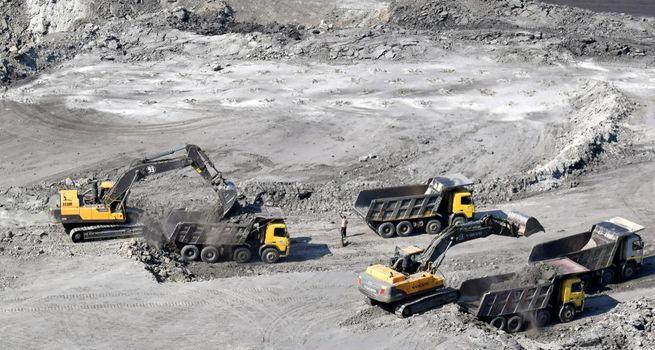
Why Did TSXV:UCU - Ucore Rare Metals Fall 4.09% on June 17, 2026 Despite Strong Critical Minerals Demand?
TSXV:UCU - Ucore Rare Metals Inc. declined 4.09% on June 17, 2026 despite operating in one of the most strategically important segments of the global mining industry. The selloff occurred amid broader weakness across junior resource equities as investors reduced exposure to higher-risk development-stage companies amid market volatility, geopolitical uncertainty, and profit-taking activity.
The decline is particularly notable because rare earth elements remain central to many of the world's most important economic and technological priorities. Governments across North America, Europe, and Asia continue investing heavily in domestic critical mineral supply chains to reduce dependence on foreign sources and improve strategic resource security.
However, development-stage companies like Ucore often experience significant share price volatility because investor sentiment, financing conditions, and project execution expectations can outweigh favorable long-term industry fundamentals in the short term.
Why Are Rare Earth Elements Becoming Increasingly Important in the Global Economy?
Rare earth elements have become indispensable across multiple high-growth industries.
These materials are essential for:
Electric vehicles.
Wind turbines.
Artificial intelligence infrastructure.
Defense technologies.
Advanced electronics.
Robotics.
Semiconductor manufacturing.
National security applications.
High-performance magnets.
As governments seek greater supply chain resilience and resource independence, rare earth projects continue attracting increasing political, industrial, and investor attention.
Many analysts view rare earth elements as among the most strategically important commodities of the coming decade.
How Is the Global Critical Minerals Race Supporting Ucore Rare Metals?
The critical minerals sector continues benefiting from powerful structural trends.
Governments worldwide are implementing policies focused on:
Supply chain security.
Domestic processing capabilities.
Strategic mineral independence.
Defense preparedness.
Clean energy transitions.
Advanced manufacturing competitiveness.
Artificial intelligence infrastructure expansion.
North America in particular continues pursuing initiatives designed to strengthen domestic supply chains for rare earth elements and other critical minerals.
These long-term trends remain highly supportive of companies operating within the sector.
How Are Israel-Iran and Middle East Developments Affecting Ucore?
Although Ucore is not directly exposed to Middle East operations, geopolitical developments continue influencing investor behavior.
Investors remain focused on:
Energy market volatility.
Inflation expectations.
Global trade flows.
Supply chain risks.
Economic growth forecasts.
Financial market stability.
Periods of heightened geopolitical uncertainty often encourage investors to reduce exposure to smaller-cap speculative equities while increasing allocations toward defensive assets.
This broader risk-off environment likely contributed to Ucore's weakness on June 17.
Why Is Ucore Rare Metals Considered a Strategic Resource Company?
Ucore occupies a unique position because its business model is aligned with several major government and industrial priorities.
The company focuses on:
Rare earth development.
Critical mineral processing.
Supply chain diversification.
Strategic resource security.
Technology metal exposure.
Advanced materials applications.
As governments and manufacturers seek alternatives to concentrated global supply chains, companies operating within the rare earth sector continue attracting significant attention.
This strategic relevance remains one of the strongest components of Ucore's long-term investment thesis.
What Is Ucore's Current Business Strategy?
Ucore's strategy focuses on building long-term value through the development and advancement of critical mineral assets and processing capabilities.
Key priorities include:
Project advancement.
Technology commercialization.
Rare earth processing development.
Strategic partnerships.
Government support initiatives.
Supply chain participation.
Commercial scalability.
Investors continue evaluating management's ability to successfully execute against these objectives.
Execution remains the most important determinant of future valuation.
Why Did Investors Take Profits Despite Positive Industry Fundamentals?
Several factors likely contributed.
Profit-taking activity emerged after strong investor interest in critical minerals throughout recent years.
Institutional investors adopted a more cautious stance.
Market volatility encouraged defensive positioning.
Development-stage companies remain sensitive to financing concerns.
Investors rotated toward larger companies with established cash flows.
These factors collectively outweighed supportive industry fundamentals during the session.
What Are Investors Watching Most Closely Right Now?
Several important catalysts remain on investor radar.
Project advancement updates remain critical.
Processing technology milestones attract significant attention.
Government funding initiatives remain relevant.
Strategic partnerships continue influencing sentiment.
Commercial development progress remains important.
Rare earth market developments affect valuation.
Industry consolidation remains a potential catalyst.
Positive developments across these areas could materially improve investor confidence.
How Is the Rare Earth Sector Performing in June 2026?
Rare earth companies continue attracting investor interest because of their strategic importance.
Current market conditions favor businesses with:
Strong balance sheets.
Advanced projects.
Commercialization pathways.
Government support.
Strategic positioning.
Technology differentiation.
Despite these positive factors, development-stage companies continue experiencing elevated volatility due to capital market sensitivity.
Ucore's decline fits within this broader market pattern.
What Does Technical Analysis Suggest Following the 4.09% Decline?
The decline weakened short-term technical momentum.
Investors are likely monitoring:
Support levels.
Trading volume.
Relative strength.
Critical minerals sector sentiment.
Institutional participation.
Project-related news flow.
If critical minerals sentiment remains supportive and company-specific catalysts emerge, technical conditions could improve.
However, broader market volatility remains a near-term headwind.
How Does Valuation Look After the Pullback?
Development-stage critical minerals companies are valued primarily on future growth potential.
Investors evaluate:
Strategic importance.
Commercial scalability.
Project economics.
Technology capabilities.
Government support.
Market opportunity.
Execution potential.
The recent decline may attract investors who remain optimistic regarding long-term rare earth demand and strategic supply chain trends.
However, execution and commercialization risks remain significant.
What Is the Bull Case for Ucore Rare Metals?
The bullish scenario includes:
Successful technology deployment.
Commercial processing milestones.
Government support.
Strategic partnerships.
Rare earth supply chain growth.
Defense sector demand.
Artificial intelligence infrastructure expansion.
Industry consolidation.
Strong execution could substantially improve long-term valuation.
What Is the Bear Case for Ucore Rare Metals?
Potential concerns include:
Project delays.
Commercialization challenges.
Financing requirements.
Dilution risk.
Technology execution risk.
Commodity market volatility.
Weak investor sentiment.
These risks remain important considerations despite favorable industry trends.
How Important Are ESG Considerations?
Environmental, social, and governance performance remains increasingly important.
Investors assess:
Environmental management.
Community engagement.
Governance standards.
Responsible resource development.
Sustainability initiatives.
Strong ESG performance can improve institutional support and long-term access to capital.
Does Ucore Rare Metals Pay a Dividend?
Ucore remains focused on growth, commercialization, and project development.
Investors evaluate the company based primarily on strategic value creation rather than dividend generation.
Future capital allocation is expected to prioritize growth opportunities.
What Corporate and Macro Events Should Investors Watch Next?
Key upcoming catalysts include:
Technology development milestones.
Government funding announcements.
Commercial processing updates.
Strategic partnerships.
Rare earth market developments.
Federal Reserve policy decisions.
Bank of Canada updates.
Critical minerals legislation.
Defense spending initiatives.
Artificial intelligence infrastructure investment trends.
These events could significantly influence future valuation and investor sentiment.
Is TSXV:UCU - Ucore Rare Metals Bullish, Bearish, or Neutral?
Short-term sentiment appears bearish following the 4.09% decline and broader weakness across development-stage resource companies.
Medium-term sentiment remains neutral as investors await commercialization and project-related catalysts.
Long-term sentiment remains constructive because of the company's exposure to rare earth elements, critical minerals supply chains, defense technologies, and artificial intelligence infrastructure demand.
What Is the Final Investment Conclusion?
TSXV:UCU - Ucore Rare Metals' 4.09% decline on June 17, 2026 appears primarily driven by broader market risk aversion, profit-taking activity, and reduced appetite for development-stage resource equities rather than any major deterioration in company fundamentals.
The company remains positioned within one of the most strategically important sectors globally. Rare earth elements continue benefiting from powerful structural demand drivers including artificial intelligence, defense modernization, electrification, renewable energy expansion, and government-backed supply chain initiatives.
Future performance will likely depend on project execution, commercialization success, strategic partnerships, government support, and broader investor sentiment toward critical minerals companies.

 Jun 23, 2026
_06_23_2026_13_04_03_583940.jpg)
_06_23_2026_12_24_10_874863.jpg)
 Please wait processing your request...