Section 1: Kalkine’s Rank on Select Growth Stocks
Kalkine’s growth stocks ranking report aims to provide a wide range of stocks ranked from low to high illustrating high growth potential across small-cap mid-cap, and large-cap space alongside other fundamental metrics defined below.
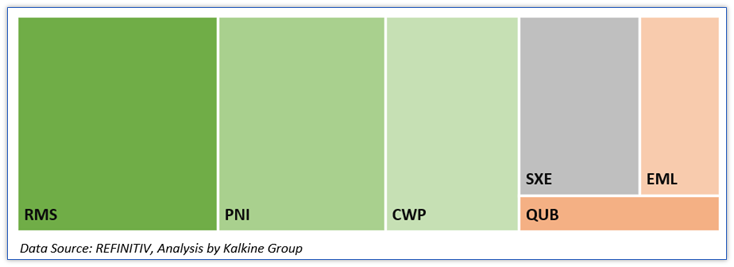
Note: Selected growth stocks are ranked from low to high using Kalkine’s unique ranking methodology, where-in low rank implies better fundamental metrics performance versus other stocks in the basket. Refer to Section 5 for more details on metrics used in ranking the growth stocks from low to high.

Section 2: Stock Price Performance, Key Financial and Technical Highlights
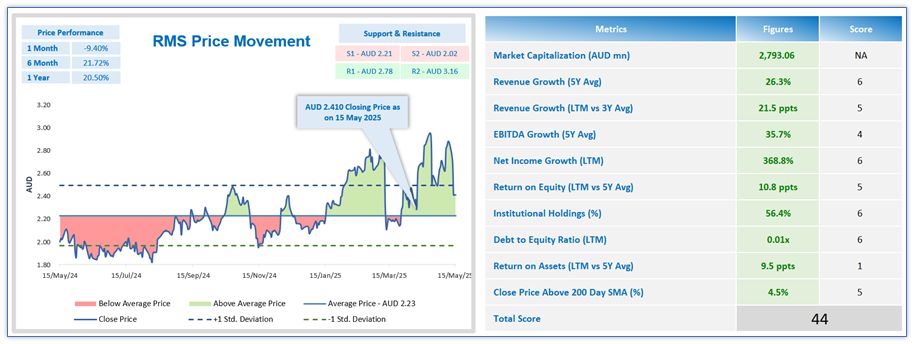
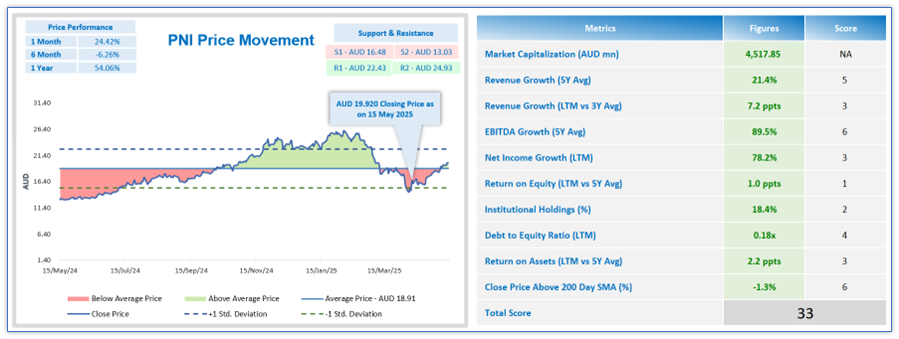
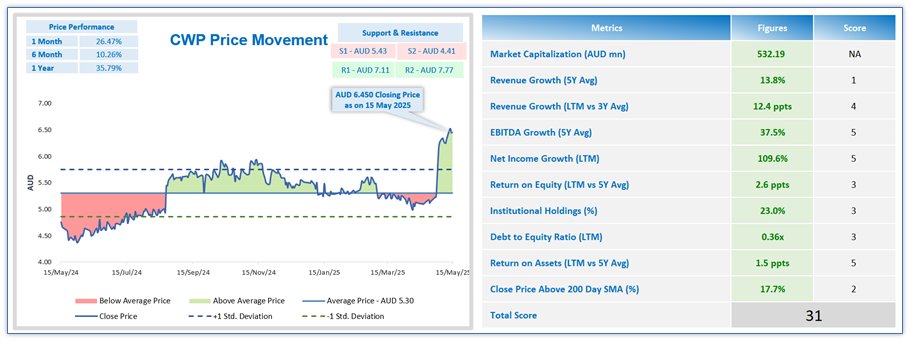
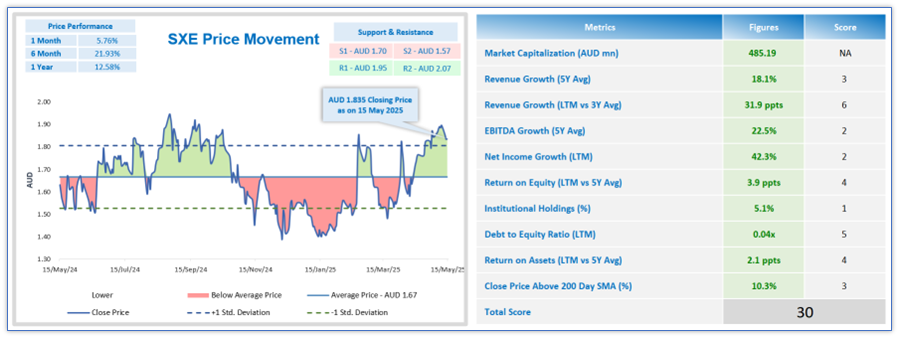
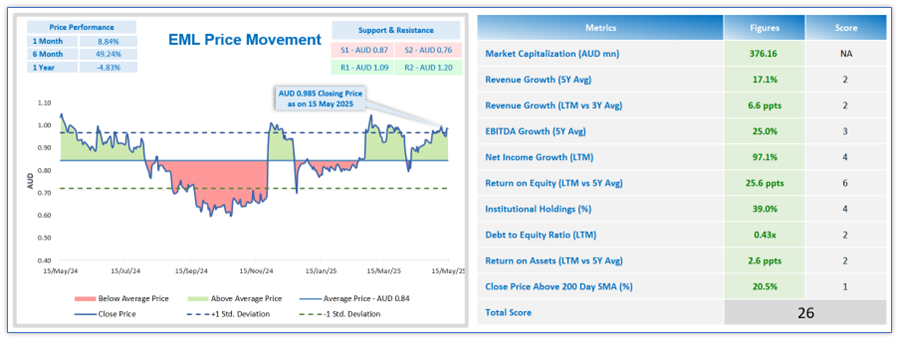
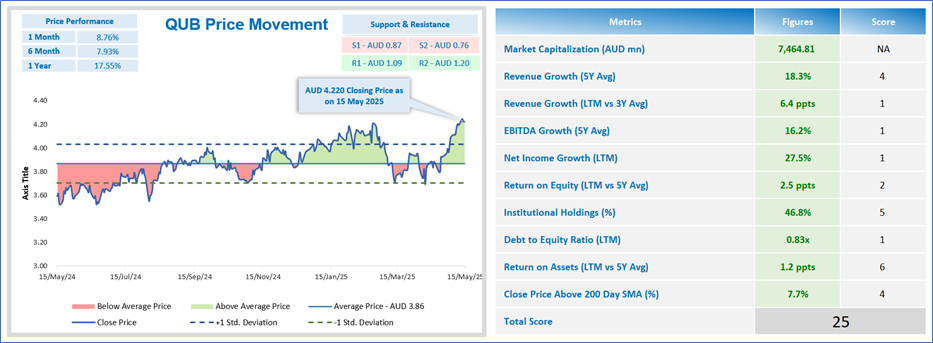
Data Source: REFINITIV; Analysis by Kalkine Group
Note: 3Y Avg = 3 Years Average; 5Y Avg = 5 Years Average; EBITDA refers to Earnings Before Interest, Tax, Depreciation & Amortization, LTM refers to the last twelve months
Section 3: Key Broker Consensus Data on Growth Stocks
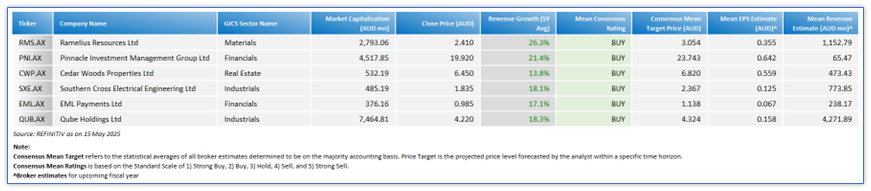
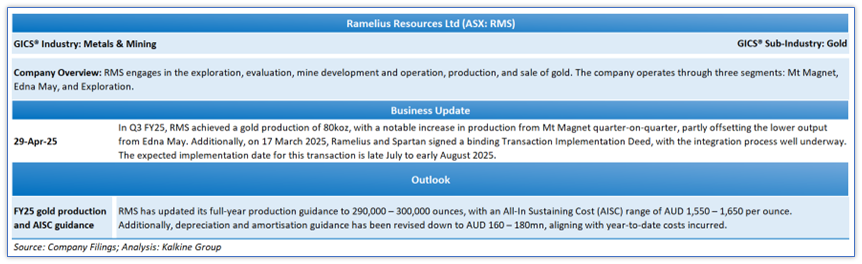
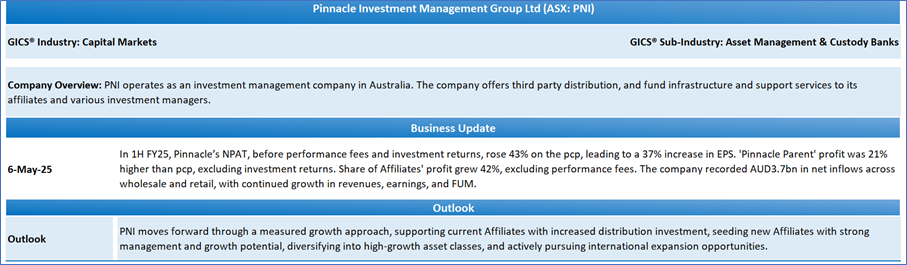
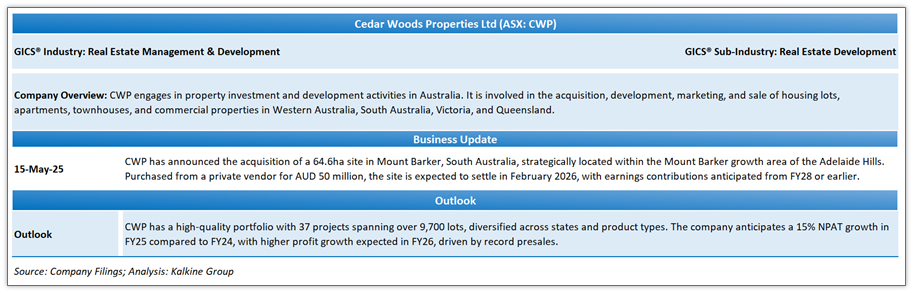
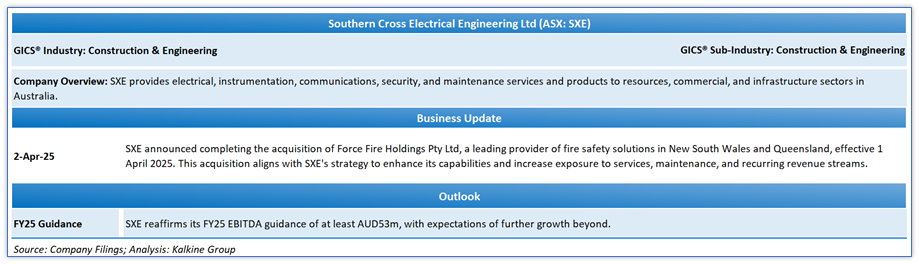
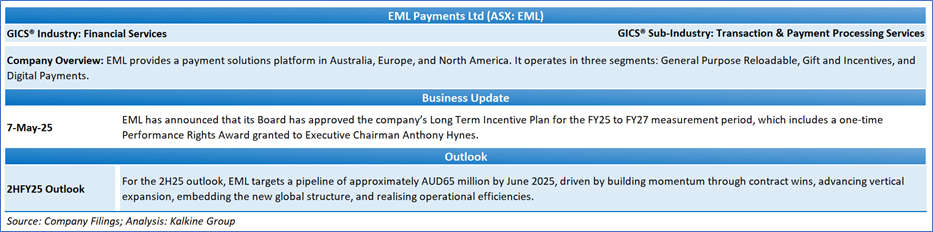
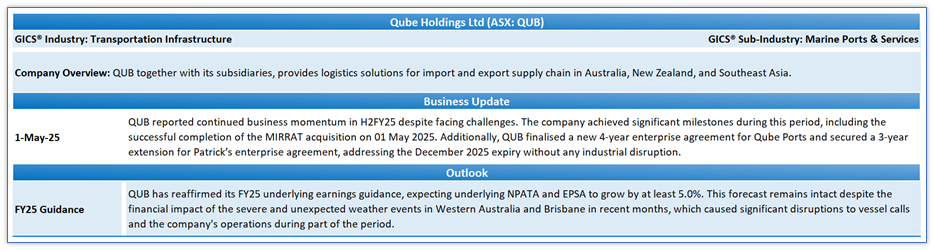
Section 4: Recent Business Updates and Outlook of Growth Stocks
Section 5: Kalkine’s Unique Growth Stocks Ranking Method
ASX-listed growth stocks are scored based on the below set of quantitative fundamental criteria’s as per Kalkine’s unique scoring methodology. The objective is to screen the growth companies with a track record of revenue and EBITDA growth for 5 or more years. Only stocks that scored highest and met the selection criterias based on all of the above quantitative fundamental metrics were further scored. The scoring was done among all the screened stocks based on their fundamental performance relative to the stock basket selected.
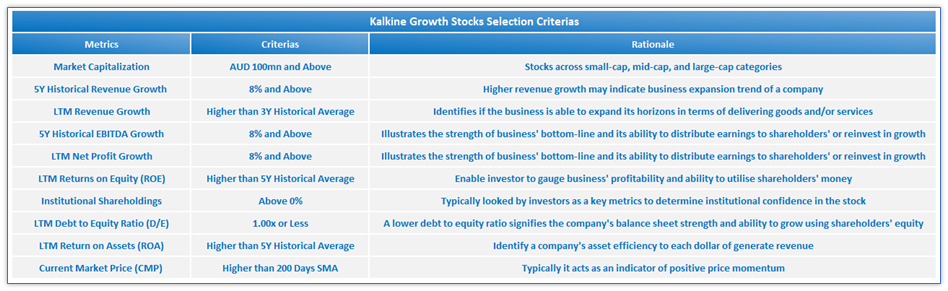
As a next step, the stocks are ranked from low to high, where-in lower the rank, the better it is, considering the better financial performance versus other stocks identified.

Kalkine’s Growth Score-Break Up
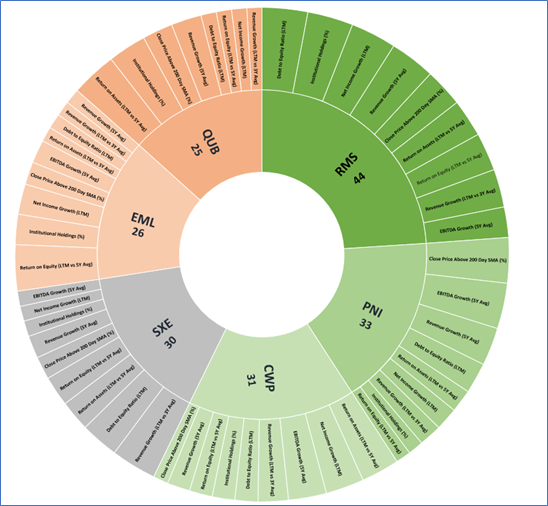
Source: Kalkine Group; Copyright © 2025 Krish Capital Pty. Ltd.
Note 1: Past performance is not a reliable indicator of future performance.
Note 2: The reference date for all price data, currency, technical indicators, support, and resistance levels is 15 May 2025. The reference data in this report has been partly sourced from REFINITIV.
Technical Indicators Defined: -
Support: A level at which the stock prices tend to find support if they are falling, and a downtrend may take a pause backed by demand or buying interest. Support 1 refers to the nearby support level for the stock and if the price breaches the level, then Support 2 may act as the crucial support level for the stock.
Resistance: A level at which the stock prices tend to find resistance when they are rising, and an uptrend may take a pause due to profit booking or selling interest. Resistance 1 refers to the nearby resistance level for the stock and if the price surpasses the level, then Resistance 2 may act as the crucial resistance level for the stock.
Past performance is not a reliable indicator of future performance.

 AU
AU
 UK
UK
 US
US
 NZ
NZ
 IND
IND

 CA
CA

 Please wait processing your request...