
 NZ
 UK
 US
 AU
 IND

 CA

 Share
 X (Formerly Twitter)
 Whatsapp
 Facebook
 LinkedIn
 Telegram
 Email This Article
 Copy Link
 Summarize with AI
 Chat GPT
 Perplexity
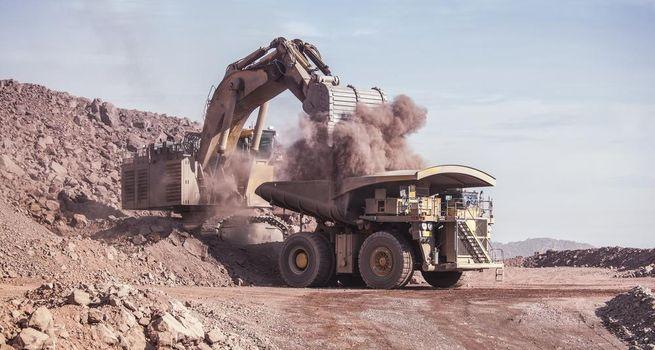
Lundin Mining Corporation has recently attracted investor attention amid improving sentiment across the global base metals sector. As a diversified miner with exposure to copper, zinc, nickel, and gold, the company stands to benefit from structural demand trends tied to electrification, infrastructure spending, and the energy transition.
Recent share price strength appears linked to multiple factors, including improved copper prices, operational updates from key assets, and broader optimism surrounding critical minerals required for decarbonization technologies.
Copper remains the most important earnings driver for Lundin Mining. With global demand projected to rise due to electric vehicles, renewable energy infrastructure, and grid expansion, producers with scalable assets have become increasingly relevant to investors seeking exposure to long-term commodity cycles.
Additionally, expectations of supply constraints in the copper market have supported mining equities, including Lundin Mining.
Key Drivers Behind the Recent Share Price Uptick
- Strength in Copper Prices
Copper has experienced renewed momentum as markets anticipate structural supply deficits. The metal is essential for electrification technologies such as EV charging networks, battery systems, and renewable energy installations.
As Lundin Mining derives a significant portion of revenue from copper production, price movements in the commodity directly influence earnings expectations and investor sentiment.
- Strong Production Assets
Lundin Mining operates several strategically important mining assets including operations in Chile, Brazil, Portugal, and the United States.
These geographically diversified assets provide operational stability and reduce single-asset dependency. Large-scale copper operations such as the Candelaria mine have historically contributed significant production volumes and cash flow.
- Improved Operational Efficiency
Operational optimization and cost management efforts have supported margin stability, particularly during periods of commodity price volatility.
Efficiency improvements in mining operations, processing recovery rates, and cost discipline can significantly enhance profitability in capital-intensive mining businesses.
- Critical Minerals Theme
Global governments and industrial players are increasingly focusing on securing supplies of metals needed for the energy transition.
Copper, nickel, and zinc—key metals in Lundin Mining’s portfolio—are widely considered strategic resources. This structural theme has increased investor interest in diversified base-metal producers.
Key Growth Catalysts
Expansion of Copper Production
Future production growth remains a central catalyst for Lundin Mining. Expansions or optimization at existing assets can drive higher output and improve operating leverage.
Increasing copper volumes during a favorable commodity cycle can significantly enhance revenue and free cash flow.
Exploration Upside
Mining companies often generate additional value through exploration near existing assets. Discoveries or resource upgrades can extend mine life and improve long-term production visibility.
Exploration success in established mining districts could strengthen Lundin Mining’s resource base.
Global Electrification Demand
Electrification trends—from renewable power grids to EV manufacturing—are expected to drive substantial demand for copper and other industrial metals over the coming decade.
Producers capable of scaling output while maintaining cost efficiency may benefit from this structural demand shift.
Potential M&A Activity
The mining industry frequently undergoes consolidation during commodity upcycles. Strategic acquisitions or joint ventures could expand Lundin Mining’s production profile and diversify its asset base.
Key Risks Investors Should Watch
Commodity Price Volatility
Mining companies are inherently exposed to fluctuations in commodity prices. A decline in copper or zinc prices could compress margins and reduce earnings.
Macroeconomic conditions, interest rates, and industrial demand can all influence metal prices.
Operational Risks
Mining operations involve complex logistics, environmental factors, and regulatory compliance. Production disruptions, equipment failures, or labor disputes could impact output levels.
Unexpected cost increases may also affect profitability.
Political and Regulatory Risks
Lundin Mining operates in multiple jurisdictions, some of which are subject to evolving mining regulations or taxation frameworks.
Changes in royalty structures, environmental policies, or permitting processes may affect project economics.
Capital Intensity
Mining projects require significant capital investment. Cost overruns in development or expansion projects could weigh on returns if commodity prices weaken.
Valuation Overview
Mining equities are typically valued using metrics such as price-to-earnings (P/E), enterprise value to EBITDA (EV/EBITDA), and net asset value (NAV).
Lundin Mining’s valuation often reflects expectations regarding copper price trends and production growth. If copper prices remain firm and operational performance continues improving, valuation multiples could expand relative to historical averages.
However, investors often apply cyclical discounts to mining companies due to commodity volatility.
A balanced valuation assessment generally considers:
- Commodity price outlook
- Production growth profile
- Cost structure and margins
- Balance sheet strength
- Project pipeline
Companies with scalable copper exposure and stable operating costs tend to command stronger investor interest during favorable commodity cycles.
Technical Outlook
From a technical perspective, Lundin Mining’s stock has shown improving momentum after periods of consolidation.
Key technical considerations include:
Support Levels:
Recent consolidation zones may act as support areas where buying interest emerges during pullbacks.
Resistance Levels:
Previous price highs or trendline barriers could serve as resistance levels if the stock continues its upward trajectory.
Momentum Indicators:
Technical indicators such as moving averages and relative strength metrics can help gauge the sustainability of the current trend.
A sustained move above resistance levels could reinforce bullish sentiment, while a breakdown below support might signal consolidation or near-term volatility.
Outlook
Lundin Mining’s long-term outlook remains closely tied to global base metal demand, particularly copper. Structural trends including electrification, renewable energy expansion, and infrastructure investment continue to support the long-term demand narrative.
However, commodity markets remain cyclical, and short-term performance may fluctuate based on macroeconomic developments, metal price trends, and operational updates.
Investors will likely continue monitoring production updates, commodity price movements, and exploration developments for signals regarding the company’s future growth trajectory.


 Nov 26, 2026





 Please wait processing your request...