
 NZ
 UK
 US
 AU
 IND

 CA

 Share
 X (Formerly Twitter)
 Whatsapp
 Facebook
 LinkedIn
 Telegram
 Email This Article
 Copy Link
 Summarize with AI
 Chat GPT
 Perplexity
Introduction
Canada has become one of the most important diamond-producing nations in the world, known not only for the quality of its gemstones but also for the strong ethical standards under which they are mined. Over the past two decades, major discoveries of diamond-bearing kimberlite pipes across northern Canada have transformed the country into a key global supplier of natural diamonds.
Today, Canada ranks among the top three diamond-producing countries by value, with the majority of production coming from large-scale mines located in remote northern regions. The industry has attracted significant capital investment and has created a niche segment within the Canadian stock market through companies listed on the Toronto Stock Exchange (TSX) and the TSX Venture Exchange (TSXV).
For investors, Canadian diamond mining stocks represent exposure to a unique combination of luxury commodity demand, ethical sourcing premiums, and exploration-driven growth opportunities. As the global diamond market evolves in 2026—with rising demand for certified ethical diamonds and growing competition from lab-grown alternatives—the Canadian diamond sector remains strategically positioned.
This article explores Canada’s diamond mining industry, key production regions, market trends, and the top TSX-listed diamond companies investors are watching in 2026.
Overview of Canada’s Diamond Mining Industry
Canada’s diamond industry began its rapid expansion in the late 1990s following major discoveries in the northern Canadian Shield. Since then, the country has developed several world-class mining operations and has become a reliable source of high-quality natural diamonds.
Canadian diamonds are particularly valued because they are:
- Conflict-free
• Traceable through supply chains
• Produced under strict environmental regulations
These attributes allow Canadian diamonds to command premium prices in international markets, particularly in North America, Europe, and Asia.
Production levels fluctuate depending on mine operations, but Canada consistently ranks among the top diamond-producing nations globally by value, alongside countries such as Botswana and Russia.
Key Diamond Mining Regions in Canada
Northwest Territories
The Northwest Territories remain the center of Canada’s diamond industry. The region hosts several major mines that collectively account for most of the country's diamond production.
Major mines in the region include:
- Gahcho Kué Mine
• Ekati Mine
• Diavik Mine
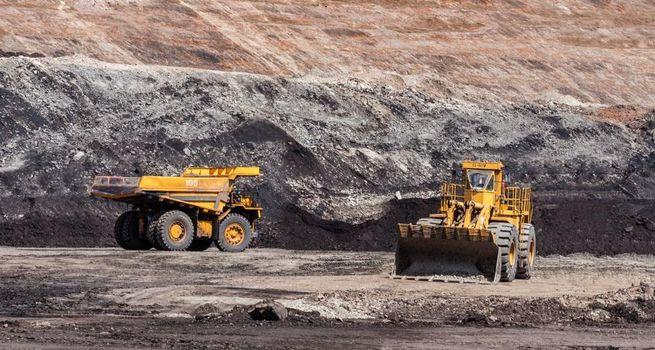
These mines are located in the remote tundra north of Yellowknife and operate in challenging Arctic conditions, requiring specialized infrastructure and logistics.
The Gahcho Kué Mine, one of the largest diamond mines in the world by production, operates as a joint venture between De Beers and Mountain Province Diamonds. The mine produces millions of carats annually and is a cornerstone of Canada's diamond output.
Ontario
Ontario has also emerged as a promising region for diamond exploration. While large-scale production has not yet reached the same scale as the Northwest Territories, exploration programs continue to identify potential kimberlite deposits.
Companies exploring in Ontario aim to identify new economically viable deposits that could sustain Canada’s long-term diamond production pipeline.
Saskatchewan
Saskatchewan has recently gained attention for its diamond exploration potential. The province hosts the Star-Orion South Project, one of the most significant undeveloped diamond deposits in Canada.
This project has become central to the strategy of Star Diamond Corp and could represent the next major diamond mine in the country if development proceeds.
Global Diamond Market Outlook for 2026
The global diamond market continues to evolve as consumer preferences, technology, and economic conditions reshape demand.
Key drivers of the diamond market include:
Luxury Jewelry Demand
Diamonds remain a cornerstone of the global jewelry industry, particularly in engagement rings and luxury accessories. Major consumer markets include:
- United States
• China
• India
• Europe
Growing middle-class populations in Asia continue to support long-term demand growth.
Industrial Applications
Diamonds are increasingly used in high-precision industrial applications, including:
- Semiconductor manufacturing
• Cutting tools
• Medical technologies
• Advanced electronics
Lab-Grown Diamond Competition
One of the most significant trends affecting the industry is the rapid growth of lab-grown diamonds.
Lab-created diamonds have captured an estimated 15–20% of the global diamond jewelry market by volume, primarily because they can be produced at lower cost and offer environmental advantages.
However, many consumers still prefer natural diamonds due to their rarity and emotional value, particularly when sourced from trusted regions like Canada.
Top Canadian Diamond Mining Stocks on the TSX
Mountain Province Diamonds (TSX: MPVD)
Mountain Province Diamonds is one of the most prominent diamond mining companies listed on the Toronto Stock Exchange.
The company owns a 49% interest in the Gahcho Kué Mine, while De Beers operates the mine and holds the remaining stake.
Key strengths of Mountain Province Diamonds include:
- Significant exposure to one of the world’s largest diamond mines
• Established production and revenue streams
• Long-term resource potential
Beyond its producing assets, the company also owns the Kennady North Project, an advanced-stage diamond development project located near Gahcho Kué.
Kennady North contains multiple kimberlite deposits, including:
Kelvin Deposit
• Estimated 13.6 million carats
• Average grade around 1.6 carats per tonne
Faraday Deposit
• Estimated 5.4 million carats
• Higher grade deposits with premium diamond values
These deposits provide potential future production growth and resource expansion.
In recent years, Mountain Province has experienced significant share price volatility but remains one of the most direct ways investors can gain exposure to Canadian diamond production.
Star Diamond Corp is focused on advancing the Star-Orion South Diamond Project located in Saskatchewan.
This project represents one of the largest undeveloped diamond deposits in North America.
Key highlights include:
- Large-scale diamond resources
• Potential long-life mine development
• Strategic partnerships with industry participants
Star Diamond’s long-term strategy is to move the project through development stages while attracting strategic investors or joint venture partners.
Although the company is not yet producing diamonds, its project could become a major contributor to Canada’s future diamond supply.
Arctic Star Exploration (TSXV: ADD)
Arctic Star Exploration is a small-cap exploration company focused on discovering new diamond deposits in northern Canada.
The company operates at the early exploration stage and targets kimberlite formations that could host economically viable diamonds.
Geological analysis from Arctic Star has identified diamonds with characteristics suggesting deep mantle origins, including:
- Low nitrogen content
• Ultra-high-pressure mineral inclusions
These geological indicators can sometimes be associated with high-value diamond deposits.
However, as with all exploration companies, Arctic Star carries higher investment risk because its success depends on future discoveries and access to exploration funding.
The Ethical Advantage of Canadian Diamonds
One of the most powerful competitive advantages for Canadian diamond producers is ethical sourcing.
Unlike some diamond-producing regions historically associated with conflict diamonds, Canadian diamonds are produced under strict regulations and verified supply chains.
Key certification systems include:
- The Kimberley Process Certification Scheme
• Canadian diamond tracking programs
• Mine-to-market verification systems
Many Canadian diamonds carry laser inscriptions that allow buyers to trace the gemstone back to its original mine.
This traceability has become increasingly valuable as consumers demand greater transparency in luxury supply chains.
Key Trends Shaping the Diamond Mining Sector
Rise of Lab-Grown Diamonds
Lab-grown diamonds continue to expand their share of the jewelry market. Improvements in production technology have made them visually indistinguishable from natural diamonds in many cases.
However, the two segments increasingly serve different consumer preferences:
Natural diamonds → rarity, heritage, long-term value
Lab-grown diamonds → affordability and sustainability
ESG and Sustainability Standards
Environmental, social, and governance (ESG) considerations now play a major role in mining investment decisions.
Canadian diamond mines operate under strict environmental oversight and Indigenous partnership frameworks, which strengthens their ESG profile compared with many global competitors.
Exploration for New Deposits
Existing diamond mines will eventually deplete their resources, making exploration critical for the industry's future.
Companies like Arctic Star and Star Diamond are attempting to identify the next generation of Canadian diamond mines.
Investment Thesis for Canadian Diamond Mining Stocks
Several factors support the long-term investment case for Canadian diamond companies.
Ethical Premium
Canadian diamonds benefit from strong branding and traceability, which can command higher prices in luxury markets.
Limited Global Supply
Natural diamond discoveries are becoming increasingly rare, which supports long-term scarcity value.
Established Mining Expertise
Canada has developed a sophisticated mining sector with strong infrastructure, experienced operators, and transparent regulatory frameworks.
Growth Opportunities
Exploration projects such as Star-Orion South and Kennady North offer potential future production growth.
Risks Investors Should Consider
Despite the sector’s strengths, diamond mining investments carry several risks.
Market Cyclicality
Diamonds are luxury goods and demand can decline during economic slowdowns.
Lab-Grown Diamond Competition
If lab-grown diamonds continue gaining market share rapidly, natural diamond pricing could face pressure.
Exploration Uncertainty
Exploration companies may spend years searching for deposits without achieving commercial success.
Operational Risks
Diamond mines operate in remote northern environments where weather, logistics, and infrastructure challenges can impact production.
Future Outlook for Canada’s Diamond Industry
Looking ahead to the remainder of the decade, Canada is expected to remain a major source of high-quality natural diamonds.
The combination of ethical sourcing, established mining infrastructure, and continued exploration activity provides a solid foundation for the industry.
While competition from lab-grown diamonds will continue to reshape parts of the jewelry market, natural diamonds sourced from trusted jurisdictions like Canada are likely to retain strong demand among luxury consumers.
For investors, the sector offers a niche opportunity within the broader mining industry, combining exposure to a luxury commodity with exploration-driven growth potential.
Final Thoughts
Canada’s diamond mining sector stands out globally for its ethical production standards, high-quality gemstones, and transparent regulatory framework. Companies such as Mountain Province Diamonds, Star Diamond Corp, and Arctic Star Exploration offer investors different ways to gain exposure to the industry—from established production to early-stage exploration.
Although the diamond market faces evolving challenges, including technological disruption from lab-grown stones, the long-term value proposition of natural diamonds remains intact.
As global demand for responsibly sourced luxury goods continues to rise, Canadian diamond producers are well positioned to remain key players in the international diamond market throughout 2026 and beyond.


 Nov 26, 2026





 Please wait processing your request...