
 NZ
 UK
 US
 AU
 IND

 CA

 Share
 X (Formerly Twitter)
 Whatsapp
 Facebook
 LinkedIn
 Telegram
 Email This Article
 Copy Link
 Summarize with AI
 Chat GPT
 Perplexity
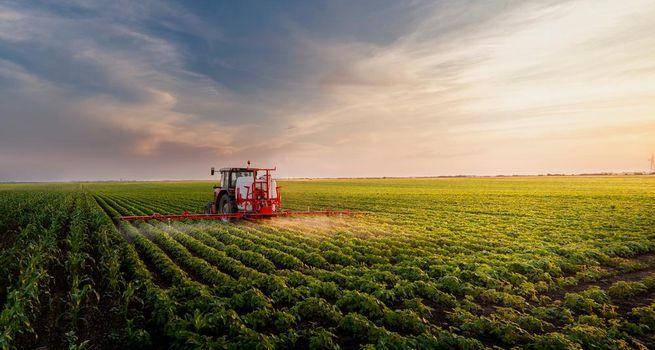
Nutrien Ltd. Stock Outlook: Catalysts, Risks and Key Price Levels
Nutrien Ltd., one of the world’s largest providers of crop inputs and agricultural services, has recently witnessed renewed investor interest as agricultural fundamentals improve and fertilizer markets show signs of stabilization. The company operates across potash, nitrogen, and phosphate production while maintaining one of the largest global agricultural retail networks. With global food demand steadily rising and fertilizer markets normalizing after a period of volatility, Nutrien appears positioned to benefit from improving agricultural economics.
Below is a closer look at the key factors driving the stock’s recent momentum, its growth catalysts, potential risks, valuation outlook, and technical levels investors are monitoring.
Key Reasons Behind the Recent Uptick
- Improving Fertilizer Pricing Environment
Fertilizer markets are showing early signs of stabilization following the sharp price corrections seen in the previous cycle. Potash prices, which had experienced significant volatility due to supply disruptions and geopolitical developments, have started to stabilize. As one of the largest potash producers globally, Nutrien is well positioned to benefit from even modest improvements in pricing.
- Strong Global Crop Demand
Global population growth and rising food consumption continue to support long-term demand for fertilizers. Higher crop demand encourages farmers to maintain soil productivity through nutrient application, which supports steady fertilizer consumption. Favorable crop economics in key markets such as North America and Brazil have also supported nutrient demand.
- Retail Segment Resilience
Nutrien’s agricultural retail business provides a steady revenue stream that helps cushion the volatility of fertilizer prices. The segment offers crop nutrients, crop protection products, seeds, and digital farming solutions. This diversified revenue base has helped maintain operational stability even during periods of fertilizer price fluctuations.
- Operational Efficiency Initiatives
The company has been focusing on cost optimization and improving operational efficiencies across its production network. Improved asset utilization and disciplined capital allocation have strengthened margins and enhanced overall financial performance.
Key Growth Catalysts
Expanding Global Food Demand
The long-term structural demand for agricultural productivity remains a strong tailwind. With limited arable land available globally, farmers must increasingly rely on fertilizers to boost crop yields. This dynamic supports sustained demand for potash, nitrogen, and phosphate fertilizers.
Potash Market Leadership
Nutrien is one of the largest potash producers globally, with significant production capacity and low-cost mining operations. Potash remains a crucial nutrient for improving crop yield and soil health. As potash supply becomes tighter globally, Nutrien’s scale and production capabilities provide a strategic advantage.
Digital Agriculture and Retail Expansion
The company continues to invest in digital farming platforms that help farmers optimize nutrient usage and crop management. These tools enhance customer engagement and drive higher retail sales. Additionally, Nutrien’s expanding retail network strengthens its direct relationship with farmers.
Supply Discipline Across the Fertilizer Industry
The fertilizer industry has historically experienced periods of oversupply. However, producers have become more disciplined in capital spending and capacity expansion. This supply discipline may help stabilize fertilizer pricing cycles over the long term.
Key Risks to Monitor
Fertilizer Price Volatility
The fertilizer industry is highly cyclical, with prices influenced by global supply-demand dynamics, crop prices, and geopolitical developments. Any significant decline in nutrient prices could pressure Nutrien’s revenue and margins.
Weather and Agricultural Conditions
Adverse weather events such as droughts or floods can reduce crop planting and fertilizer demand. Agricultural cycles are inherently sensitive to climate conditions, which can affect short-term nutrient consumption.
Input Cost Pressures
Energy costs play a critical role in nitrogen fertilizer production. Rising natural gas prices or other input costs could impact profitability in the nitrogen segment.
Geopolitical and Trade Risks
Fertilizer markets are global in nature, and trade disruptions or geopolitical tensions could affect supply chains and pricing dynamics.
Valuation Outlook
From a valuation perspective, Nutrien is often viewed as a cyclical agricultural input company. During periods of improving fertilizer pricing, earnings can expand meaningfully due to the company’s operating leverage.
The company’s diversified revenue mix between fertilizer production and retail distribution helps moderate volatility compared with pure commodity producers. Investors often evaluate Nutrien using metrics such as forward price-to-earnings, enterprise value to EBITDA, and dividend yield.
Additionally, Nutrien has historically returned capital to shareholders through dividends and share repurchases, which can enhance total shareholder returns during favorable market cycles.
Technical Levels to Watch
From a technical perspective, Nutrien’s stock has recently shown improving momentum as buying interest returns to the agricultural input sector.
Key levels investors are watching include:
- Immediate support zone: Areas where the stock previously consolidated and where buying interest may emerge during pullbacks.
- Resistance levels: Previous price peaks where selling pressure may appear if the stock attempts to move higher.
- Trend indicators: The stock’s movement relative to medium-term and long-term moving averages can help indicate whether the current upward momentum is sustainable.
If the stock continues to hold above key support levels and breaks through resistance zones, it may signal continued strength in the near term.
Outlook
Nutrien’s long-term outlook remains closely tied to global agricultural demand and fertilizer market conditions. Structural drivers such as rising food consumption, limited arable land, and the need for higher crop productivity continue to support the fertilizer industry.
While fertilizer markets remain cyclical and subject to volatility, Nutrien’s diversified business model, large-scale potash operations, and expanding retail network position the company to benefit from improving agricultural fundamentals.
As fertilizer prices stabilize and global crop demand remains firm, Nutrien could remain a key player in the agricultural input sector with the potential to generate steady growth over the long term.


 Nov 26, 2026





 Please wait processing your request...