
 NZ
 UK
 US
 AU
 IND

 CA

 Share
 X (Formerly Twitter)
 Whatsapp
 Facebook
 LinkedIn
 Telegram
 Email This Article
 Copy Link
 Summarize with AI
 Chat GPT
 Perplexity
Introduction
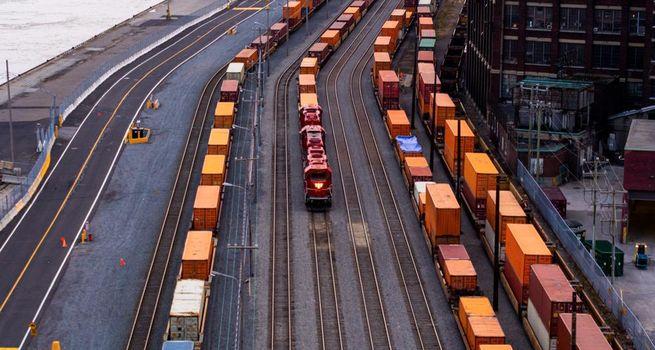
Stella-Jones Inc. (TSX: SJ) is a leading North American manufacturer and supplier of pressure-treated wood products and infrastructure-related solutions serving Utility, railway, residential, and industrial end markets. The company’s Business model is built around supplying essential infrastructure components such as utility poles, railway ties, transmission structures, and treated lumber products that benefit from recurring replacement cycles and long-term Demand trends.
The recent strength in the company’s shares reflects improving investor sentiment toward infrastructure-linked businesses, resilient demand across utility-related markets, and confidence in management’s operational execution. Investors appear encouraged by the company’s strategic positioning within critical infrastructure Supply chains, while continued modernization of utility networks and transportation systems provides supportive sector dynamics. Recent commentary highlighting growth in utility-related products, ongoing network optimization efforts, and strategic expansion initiatives has further contributed to constructive market sentiment.
Key Reasons Behind Upside
The recent positive share-price performance appears to be driven by several favorable developments.
First, investor sentiment toward infrastructure-oriented companies has improved as Market Participants increasingly favor businesses with recurring demand characteristics and defensive end-market exposure. Stella-Jones operates in segments that are closely tied to the maintenance and expansion of essential infrastructure networks, which can provide stability across varying economic environments.
Second, utility-related demand remains a major source of optimism. Utility poles and transmission infrastructure continue to benefit from grid modernization efforts, reliability upgrades, and broader electrification trends across North America. These structural drivers support long-term demand visibility and strengthen the Investment case for companies serving these markets.
Another supportive Factor is the company's operational execution. Management has continued to focus on optimizing its production network, enhancing operational efficiency, and investing in strategic growth initiatives. Such efforts help reinforce confidence that Stella-Jones can protect margins and support future Earnings growth despite fluctuations in certain end markets.
Institutional interest may also be contributing to positive momentum. The company has historically attracted investors seeking exposure to infrastructure Assets with defensive characteristics, recurring replacement demand, and relatively predictable long-term consumption patterns. Institutional ownership remains significant, highlighting ongoing professional investor engagement.
Geopolitical uncertainty has also influenced broader market positioning. While Stella-Jones does not have direct exposure to major conflict zones, periods of heightened geopolitical tension, including concerns surrounding U.S.-Iran relations and broader global instability, often increase investor interest in companies connected to domestic infrastructure and essential services. Such businesses are frequently viewed as more resilient during uncertain economic and geopolitical periods.
In addition, strategic investments in transmission-related products and infrastructure offerings broaden the company's growth opportunities while reducing reliance on any single end market. This Diversification supports a more favorable long-term outlook and strengthens investor confidence in future growth initiatives.
Risks to Consider
Despite the constructive outlook, investors should remain aware of several risks.
Regulatory changes affecting forestry operations, environmental compliance requirements, or infrastructure procurement standards could create additional costs or operational challenges.
Execution risk remains important. Growth initiatives, operational optimization programs, and capacity investments require successful implementation to generate expected returns. Delays or inefficiencies could affect profitability and investor confidence.
Commodity-related Volatility represents another consideration. Changes in lumber markets, raw material availability, transportation costs, or supply chain conditions can influence operating performance and create earnings variability.
Competition remains an ongoing factor. Stella-Jones operates in markets where maintaining customer relationships, product quality, and operational efficiency is critical for preserving Market Share.
Macroeconomic weakness could also affect certain business segments, particularly residential and construction-related demand channels. Although infrastructure-related markets tend to be more resilient, broader economic softness may still influence purchasing patterns.
Geopolitical developments represent an additional uncertainty. While the company's direct exposure may be limited, prolonged global tensions can disrupt supply chains, increase transportation costs, and create broader market volatility that affects investor sentiment.
Finally, valuation pressure could emerge if future growth expectations become overly optimistic relative to actual operating performance.
Valuation Perspective
From a valuation standpoint, Stella-Jones appears to occupy an interesting position within the infrastructure and materials universe.
The market increasingly views the company as more than a traditional wood-products supplier. Its growing exposure to utility infrastructure, transmission networks, and essential replacement markets supports a higher-quality earnings profile compared with more cyclical commodity-oriented businesses.
Current valuation sentiment appears influenced by expectations that infrastructure investment trends will remain durable over the long term. Investors are placing value on the company's recurring demand characteristics, operational discipline, and strategic growth initiatives.
At the same time, market participants continue to balance optimism with execution realities. Future valuation expansion will likely depend on management's ability to convert infrastructure opportunities into sustained earnings growth while maintaining operational efficiency.
Long-term optionality remains attractive. Expansion into adjacent infrastructure categories, continued utility-sector penetration, and strategic investments may provide additional growth avenues that are not fully reflected in near-term expectations.
Overall, the valuation narrative appears constructive but increasingly dependent on continued operational delivery and successful execution of growth initiatives.
Technical Levels to Watch
- Support Zone – Recent buying activity suggests investors are willing to accumulate shares on pullbacks, creating an important support region beneath current trading levels.
- Resistance Levels – Previous areas of selling pressure remain important. A sustained move through these zones could reinforce bullish sentiment and attract additional institutional participation.
- Volume Trends – Improving participation during advances would strengthen confidence in the sustainability of the recent upward move.
- Momentum Indicators – Momentum remains constructive following the recent green close, although investors should monitor whether buying pressure continues to build or begins to moderate after the latest rally.
Outlook
The outlook for Stella-Jones remains cautiously constructive. The company benefits from attractive exposure to essential infrastructure markets, utility network modernization, railway maintenance demand, and long-term replacement cycles that support recurring business activity.
Near-term investor sentiment appears favorable as the market recognizes the defensive qualities of the business model alongside opportunities for future expansion. Continued operational execution, strategic investments, and stable infrastructure spending could provide additional support for the shares.
Nevertheless, investors should continue monitoring economic conditions, commodity market trends, regulatory developments, and geopolitical uncertainties. The company's ability to sustain positive momentum will ultimately depend on balancing growth initiatives with disciplined execution.
Overall, the stock appears supported by improving sentiment, favorable infrastructure trends, and a resilient business model, leaving the longer-term investment case constructive while acknowledging the importance of continued operational performance.


 Oct 15, 2026





 Please wait processing your request...