
 AU
AU
 UK
UK
 US
US
 NZ
NZ
 IND
IND

 CA
CA

 Share
Share
 X (Formerly Twitter)
 Whatsapp
 Facebook
 LinkedIn
 Telegram
 Email This Article
 Copy Link
 Summarize with AI
 Chat GPT
 Perplexity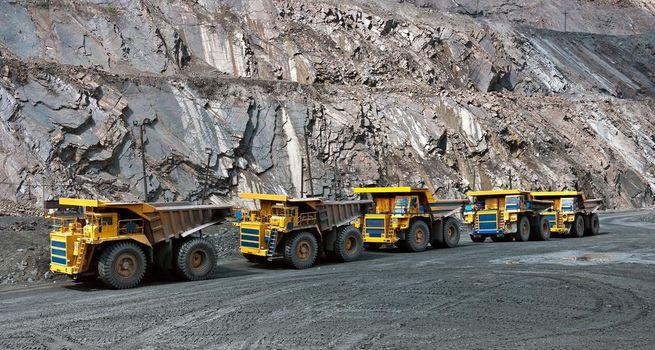
Why Did Goldsky Resources Corp. (TSXV: GSK) Fall -2.655% on Jun 9, 2026?
Goldsky Resources Corp. (TSXV: GSK) closed lower during the latest trading session as investors continued to reduce exposure to higher-risk exploration equities amid a challenging market environment. The decline reflects a combination of cautious investor sentiment, ongoing volatility across resource stocks, and concerns regarding future project advancement. While precious metals remain strategically important within diversified portfolios, exploration-stage mining companies continue to face heightened scrutiny as investors prioritize capital preservation and demand greater certainty around future development prospects.
Introduction
Goldsky Resources Corp. (TSXV: GSK) is a mineral exploration company focused on identifying, advancing, and expanding gold-focused resource opportunities. The company’s business model centers on exploration activities, resource discovery, project development, and long-term value creation through successful advancement of mineral assets.
The stock has recently faced pressure as investors reassess risk across junior exploration companies. Market participants remain focused on exploration progress, development timelines, future financing requirements, and the ability to convert exploration success into economically viable projects.
The broader mining and exploration sector remains challenged by fluctuating commodity prices, cautious capital markets, inflationary pressures, and global economic uncertainty. These conditions have weakened risk appetite and increased volatility across resource-focused investments.
Key Reasons Behind Decline
Several factors likely contributed to the recent weakness in Goldsky Resources shares.
Weak investor sentiment remains one of the most significant challenges facing junior exploration companies. Investors have become increasingly selective as uncertainty surrounding global growth, commodity markets, and capital availability persists.
Sector weakness has impacted many exploration-focused mining companies. Even where resource potential remains attractive, investors are placing greater emphasis on execution certainty and long-term development viability.
Operational challenges represent another concern. Exploration companies must consistently demonstrate progress through drilling campaigns, geological assessments, resource expansion efforts, and development planning. Any perceived delays or uncertainty can negatively impact market confidence.
Commodity volatility continues to influence valuation assumptions. While gold often benefits during periods of market uncertainty, exploration equities can remain vulnerable when investors shift away from speculative assets.
Declining earnings visibility also weighs on sentiment. Unlike producing miners, exploration companies rely heavily on future project success rather than current operating cash flow, increasing dependence on investor confidence.
Margin concerns may emerge as exploration, permitting, labor, infrastructure, and development costs continue to face inflationary pressure.
Funding pressure remains a critical issue. Exploration programs and project advancement activities require ongoing capital investment, and uncertainty surrounding financing conditions can contribute to valuation weakness.
Speculative selling activity and institutional outflows may have amplified downside momentum as investors reduced exposure to higher-risk segments of the mining sector.
Geopolitical tensions, including the ongoing conflict involving the United States and Iran, have introduced additional uncertainty into global financial markets. Energy market volatility, inflation concerns, transportation disruptions, and broader economic instability can negatively affect investor confidence. While geopolitical stress may occasionally strengthen gold prices, exploration companies often face increased risk aversion as investors prioritize liquidity and defensive positioning.
Collectively, these factors have contributed to the recent decline in the stock.
Risks Investor Needs to Consider
Investors evaluating Goldsky Resources should carefully assess several key risks.
Regulatory uncertainty remains an important consideration. Environmental approvals, permitting requirements, land-use regulations, and evolving government policies can influence project timelines and development prospects.
Competition within the exploration sector remains intense as companies compete for capital, technical expertise, strategic partnerships, and attractive mineral assets.
Funding risk is particularly important for exploration-stage companies. Future drilling programs, resource expansion initiatives, and project development activities may require additional capital.
Operational execution issues could arise if exploration results fail to meet expectations or if project advancement occurs more slowly than anticipated.
Commodity price weakness remains a meaningful risk. Lower precious metals prices could negatively affect investor sentiment and reduce the attractiveness of future development opportunities.
Geopolitical exposure, project delays, weak market conditions, liquidity concerns, recessionary pressure, and volatility in energy and industrial markets represent additional challenges that investors should monitor closely.
Valuation Perspective
From a valuation perspective, Goldsky Resources remains heavily dependent on expectations regarding future exploration success and project development potential.
Exploration companies often attract premium valuations during periods of strong investor optimism. However, those premiums can contract significantly when market sentiment deteriorates or when uncertainty surrounding future milestones increases.
There may currently be a perceived mismatch between long-term resource potential and near-term visibility. Investors increasingly appear focused on evidence of tangible progress before assigning higher valuation multiples.
The risk of further downside re-rating remains present if exploration updates fail to exceed expectations or if sector sentiment continues to weaken.
Investor skepticism surrounding future growth assumptions and project execution remains a key factor influencing valuation discussions.
Technical Levels to Watch
- Support Zone – Historical buying areas may attract investor interest if selling pressure continues.
- Resistance Levels – Previous consolidation ranges could act as barriers during any recovery attempt.
- Volume Trends – Elevated selling volume may indicate continued caution, while stronger accumulation activity could suggest improving confidence.
- Momentum Indicators – Current momentum trends reflect a cautious market environment with investors seeking confirmation of stabilization.
What Is the Dividend Outlook?
- Dividend Policy – Goldsky Resources remains focused on exploration and development rather than dividend distributions.
- Capital Allocation Priorities – Management is expected to prioritize exploration programs, resource expansion activities, technical studies, and project advancement.
- Growth Versus Income Focus – The company remains a growth-oriented resource investment.
- Shareholder Return Strategy – Long-term shareholder returns are expected to depend primarily on exploration success and value creation through asset development.
What Does the ESG Investment Case Look Like?
Environmental considerations remain highly relevant within the exploration industry. Investors increasingly evaluate environmental stewardship, responsible land management practices, emissions awareness, and regulatory compliance.
Social considerations include community engagement, workforce safety, stakeholder relations, and local economic participation. Positive relationships with local communities can support long-term project advancement.
Governance standards are critical for maintaining investor confidence. Transparency, board oversight, disciplined capital allocation, and strong risk management practices remain key evaluation criteria.
Sustainability initiatives may create opportunities to attract ESG-focused investment capital, although environmental permitting requirements and stakeholder expectations remain ongoing challenges.
Overall, ESG performance can play an important role in shaping both project success and market perception.
What Are the Bull and Bear Cases for Goldsky Resources Corp. (TSXV: GSK)?
Bull Case:
Goldsky Resources offers exposure to long-term gold exploration opportunities within a sector that continues to attract strategic interest.
Successful exploration results, resource expansion, new discoveries, and continued project advancement could strengthen the investment thesis.
Positive gold market trends, increased safe-haven demand, improving investor sentiment toward exploration equities, and stronger commodity fundamentals could act as meaningful catalysts.
Improving operational execution and enhanced visibility around development pathways may support future valuation appreciation.
Bear Case:
Exploration-stage companies face elevated operational and execution risks.
Slower project advancement, disappointing exploration outcomes, funding challenges, and development delays could negatively affect future performance.
Regulatory hurdles and environmental permitting complexities may create additional uncertainty.
Weak market sentiment toward junior mining companies could continue to pressure valuation multiples.
Competitive pressures, commodity market volatility, and broader macroeconomic challenges remain significant downside risks.
Outlook
The outlook for Goldsky Resources remains cautiously balanced. The company continues to offer long-term exposure to gold exploration opportunities and potential resource growth, which could create substantial value if development objectives are successfully achieved.
However, near-term challenges remain significant. Investors must navigate exploration uncertainty, financing requirements, commodity market volatility, inflationary pressures, and evolving market sentiment.
Geopolitical developments, energy market instability, and broader economic uncertainty are likely to remain important influences on investor behavior and sector performance.
While long-term opportunities remain intact, the current market environment suggests that caution will likely continue to dominate investor sentiment until greater clarity emerges regarding exploration success, project advancement, and future development visibility.

 Jun 23, 2026

_06_23_2026_16_29_29_947741.png)
 Please wait processing your request...