
 AU
AU
 UK
UK
 US
US
 NZ
NZ
 IND
IND

 CA
CA

 Share
Share
 X (Formerly Twitter)
 Whatsapp
 Facebook
 LinkedIn
 Telegram
 Email This Article
 Copy Link
 Summarize with AI
 Chat GPT
 Perplexity
Introduction: Context of Recent Price Action
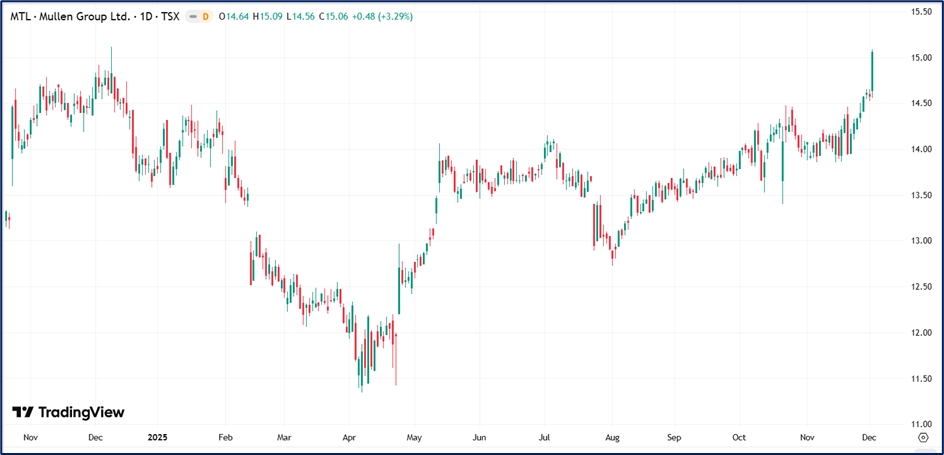
Mullen Group Ltd. (TSX: MTL) experienced a period of significant positive price action and increased trading volume recently, reflecting a response to specific company announcements and broader market sentiment regarding the Canadian logistics sector. The focus of this analysis is on the observable financial and operational events that appear to have influenced this movement.
The market response occurred immediately following a key corporate finance development, suggesting investor acknowledgment of the firm's strategic efforts to adjust its capital structure while continuing its long-term growth objectives centered on strategic acquisitions.

1. Core Drivers Influencing the Stock Movement
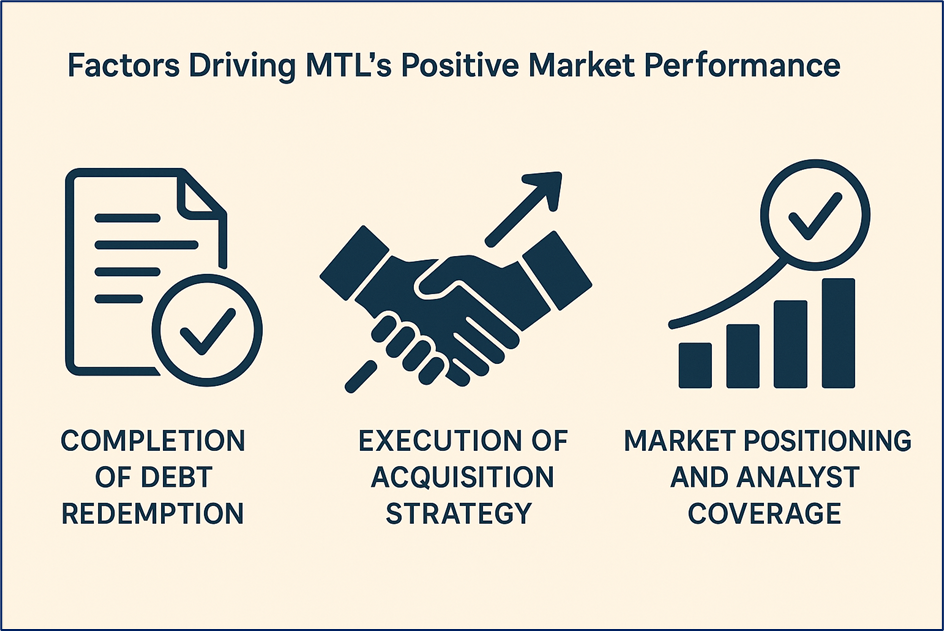
The positive attention drawn to Mullen Group’s shares appears tied to a convergence of recent corporate activities, primarily in the domain of balance sheet management and growth execution:
- Completion of Debt Redemption: A primary factor was the announcement on December 1, 2025, regarding the successful redemption of the company's 5.75% convertible unsecured subordinated debentures. This event effectively removes a future dilution risk and reduces the long-term interest expense burden, which can be interpreted by the market as a strong indication of management's confidence in its operational cash flow generation.
- Execution of Acquisition Strategy: The company has maintained a strategy of external growth through mergers and acquisitions (M&A). Recent financial reporting has highlighted the role of these acquisitions, such as the integration of The Cole Group, in bolstering consolidated revenue figures and providing insulation against softer organic growth rates in other segments.
- Market Positioning and Analyst Coverage: Several market analysts have maintained a "Moderate Buy" consensus rating on MTL, often citing the company's diversified revenue stream and its positioning relative to sector peers. This sustained level of interest and coverage contributes to the stock's visibility and trading activity.
Source: Kalkine Group
2. Business Model: A Highly Diversified Structure
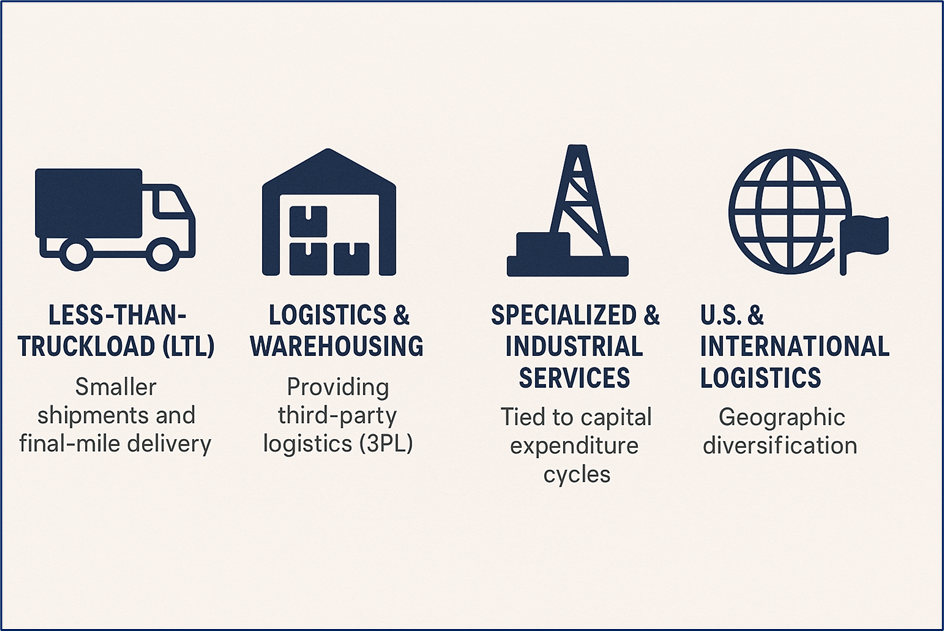
Mullen Group’s operational structure is defined by its highly diversified, four-pillar business model, which aims to mitigate exposure to volatility in any single economic sector:
- Less-Than-Truckload (LTL): This segment serves regional and national distribution needs, focusing on smaller shipments and final-mile delivery. It typically exhibits less cyclicality than full truckload operations, providing a more stable revenue base.
- Logistics & Warehousing: Providing third-party logistics (3PL) and sophisticated warehousing solutions, this segment leverages an asset-light model. This is currently one of the company’s primary engines for expansion, benefiting significantly from targeted M&A activity.
- Specialized & Industrial Services: This segment is closely tied to the capital expenditure cycles of the Canadian energy, mining, and infrastructure sectors. Services include drilling, fluid hauling, and specialized transport. It historically exhibits higher margins but is subject to commodity price fluctuations.
- U.S. & International Logistics: A strategic, smaller segment focused on geographic diversification, aiming to capture growth opportunities outside the traditionally slower Canadian market.
Source: Kalkine Group
3. Financial and Operational Context (Based on Q3 2025 Data)
Recent financial disclosures provide necessary context for the current stock movement:
- Consolidated Revenue: For Q3 2025, Mullen Group reported consolidated revenues totaling approximately $561.8 million, representing an increase of around 5.6% year-over-year. A substantial portion of this growth was attributable to acquired businesses.
- Segment Performance Divergence: The increase in overall revenue masked notable differences in segment performance. The Logistics & Warehousing and LTL segments demonstrated robust revenue expansion. Conversely, the Specialized & Industrial Services segment experienced a revenue contraction, reflecting reduced activity in certain energy and capital project areas.
- Profitability: Operating Income Before Depreciation and Amortization (OIBDA) showed stability, indicating that management successfully controlled operating costs and absorbed the expenses associated with integrating new acquisitions amidst persistent inflationary pressures.
4. Corporate Strategy and Future Outlook
Mullen Group's stated strategic priorities are centered on creating shareholder value through systematic M&A and operational discipline:
- Acquisition Focus: The strategy involves pursuing a disciplined program of "tuck-in" acquisitions. This involves targeting smaller, often profitable, competitors who are either struggling with succession or seeking to leverage Mullen’s scale and centralized resources.
- Operational Efficiency: Continuous effort is placed on optimizing fleet utilization, ensuring load factors are maximized, and controlling general and administrative expenses across all business units to maintain profitability.
- Capital Structure: Following the debt redemption, the company's strategy includes utilizing the strengthened balance sheet to maintain flexibility for both future M&A and sustained dividend payouts, a factor often considered attractive to long-term investors.
5. Identified Corporate and External Risks
The company's performance and future outlook are subject to several external and internal risk factors:
- Economic Conditions: Continued economic stagnation or a recession in the Canadian market could directly impact freight volumes across all segments, particularly the LTL division.
- Energy Sector Exposure: The sensitivity of the Specialized & Industrial Services segment to volatile commodity prices (oil and gas) means performance is partly dependent on macro-energy trends outside of management's control.
- Operating Costs: The industry-wide challenges of driver shortages and fluctuations in fuel prices represent ongoing cost pressures that can negatively impact margins.
- Integration Risk: The ongoing and aggressive nature of the M&A strategy carries the inherent risk of integration failure, where new businesses do not achieve expected synergies or operational efficiencies.
Conclusion
The recent positive share movement in Mullen Group is consistent with the market's reaction to strategic financial decisions, particularly the debenture redemption, which strengthens the company's financial profile. The structure of the business, anchored by diversified revenue streams, provides resilience. The future trajectory of the company will be largely determined by its success in integrating acquired businesses, maintaining disciplined cost control, and navigating the persistent challenges presented by the current macroeconomic climate and persistent industry-specific labor and cost pressures.
Source: Trading View, 2 December 2025


 Jun 24, 2026




 Please wait processing your request...