
 NZ
 UK
 US
 AU
 IND

 CA

 Share
 X (Formerly Twitter)
 Whatsapp
 Facebook
 LinkedIn
 Telegram
 Email This Article
 Copy Link
 Summarize with AI
 Chat GPT
 Perplexity
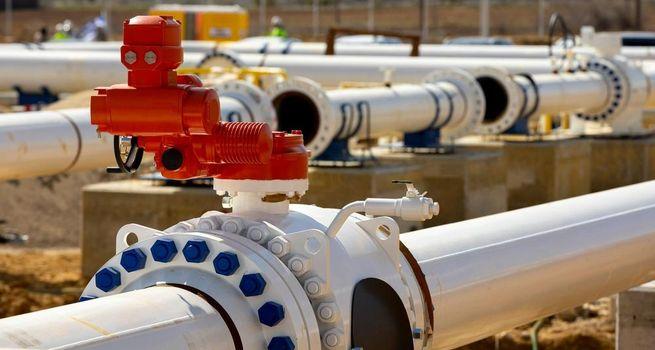
Pembina Pipeline Corporation (TSX:PPL) is one of Canada’s leading energy infrastructure companies, providing transportation, storage, and processing services for natural gas, crude oil, and natural gas liquids. The company operates an extensive pipeline network and midstream assets across Western Canada and parts of the United States, serving major producers in the energy sector.
Pembina’s integrated infrastructure model allows it to generate stable cash flows from long-term contracts and fee-based services. Because of this structure, the company is often viewed as a defensive energy investment compared with upstream oil and gas producers whose revenues are directly tied to commodity prices.
Investor interest in Pembina Pipeline shares has remained strong due to the company’s reliable dividend payments, ongoing infrastructure expansion, and strategic role in North America’s energy supply chain.
Key Reasons Driving the Stock
Several factors have supported positive sentiment toward Pembina Pipeline’s stock.
One of the most important drivers is the company’s stable fee-based revenue model. Much of Pembina’s earnings come from long-term transportation and processing contracts with energy producers. These agreements help shield the company from direct commodity price volatility and provide consistent cash flow.
Another factor supporting the stock is the continued demand for energy infrastructure in North America. Even as the energy transition progresses, natural gas and natural gas liquids remain critical components of the energy mix. This ongoing demand supports the utilization of Pembina’s pipeline and processing assets.
The company’s strong dividend profile also attracts income-focused investors. Pembina has a history of maintaining and gradually increasing its dividend payouts, making it a popular choice for those seeking reliable income within the energy sector.
Operational efficiency and scale also contribute to investor confidence. Pembina’s integrated network of pipelines, storage facilities, and processing plants enables the company to optimize asset utilization and maintain competitive operating costs.
Key Growth Catalysts
Looking ahead, several catalysts could support Pembina Pipeline’s growth.
Expansion of pipeline infrastructure remains a major opportunity. As energy production continues in Western Canada, demand for transportation and processing capacity is expected to remain strong. New projects or capacity expansions could increase throughput and revenue.
Another key catalyst is growth in the natural gas liquids market. Products such as propane, butane, and condensate are widely used in petrochemical manufacturing and energy production. Rising demand for these products could increase volumes handled by Pembina’s infrastructure.
Strategic partnerships and joint ventures also provide growth opportunities. Pembina has historically collaborated with other energy companies to develop large-scale infrastructure projects, reducing capital risk while expanding its asset base.
Export market development is another potential growth driver. Increased demand for Canadian energy products in international markets may require additional pipeline and storage capacity, creating opportunities for infrastructure providers like Pembina.
Finally, the company’s investments in energy transition initiatives, including carbon management and lower-emission infrastructure, may open new business opportunities in the evolving energy landscape.
Financial Strength and Valuation
Pembina Pipeline has historically delivered solid financial performance driven by stable contract-based revenue streams.
Investors commonly evaluate the company using metrics such as enterprise value to EBITDA, price-to-earnings ratios, and dividend yield. These indicators provide insight into the company’s profitability and valuation relative to peers in the midstream energy sector.
From a valuation perspective, Pembina often trades at a moderate premium compared with some midstream peers due to its diversified asset base and strong dividend track record.
Dividend yield remains one of the stock’s most attractive features. Income-oriented investors frequently include Pembina in their portfolios due to its dependable cash distributions and long-term payout sustainability.
The company also maintains a relatively strong balance sheet, enabling it to finance new projects while maintaining dividend commitments.
Technical Analysis and Key Levels
From a technical perspective, Pembina Pipeline shares have historically traded within a steady upward channel, reflecting the company’s stable earnings profile and consistent investor demand.
Key support levels often form near previous consolidation zones where long-term investors accumulate shares. These levels can act as strong demand areas during market pullbacks.
Resistance levels typically appear near prior highs where profit-taking may occur. A breakout above these levels may signal renewed bullish momentum.
Moving averages are commonly used to assess medium-term trends. When the stock remains above its major moving averages, it often indicates a strong underlying trend.
Momentum indicators such as relative strength index (RSI) can also help traders determine whether the stock is approaching overbought or oversold conditions.
Overall, technical patterns for Pembina Pipeline often mirror its stable business model, showing gradual price appreciation rather than extreme volatility.
Investment Risks
Despite its strengths, several risks should be considered before investing in Pembina Pipeline.
One key risk involves regulatory and environmental approvals for new pipeline projects. Infrastructure projects in the energy sector often face strict regulatory scrutiny and potential delays.
Commodity price fluctuations may indirectly affect the company by influencing production levels from its customers. Lower production could reduce demand for pipeline capacity.
Interest rate risk is another consideration. As a dividend-paying infrastructure company, Pembina may face valuation pressure when interest rates rise, as investors compare yields with fixed-income investments.
Capital-intensive projects also represent potential risk. Large infrastructure developments require significant investment and may face cost overruns or delays.
Finally, the global energy transition toward lower-carbon energy sources could affect long-term demand for certain fossil fuel infrastructure assets.
Long-Term Investment Outlook
Pembina Pipeline Corporation remains one of Canada’s most prominent midstream energy infrastructure companies. Its diversified asset base, fee-based revenue model, and strong dividend history make it an attractive option for investors seeking stable income and exposure to the energy sector.
The company’s long-term outlook is supported by ongoing energy demand, infrastructure expansion opportunities, and growth in natural gas liquids markets. Strategic partnerships and disciplined capital management further strengthen its position.
While regulatory challenges and energy transition dynamics present potential risks, Pembina’s integrated infrastructure network and strong market presence provide a solid foundation for continued growth.
For long-term investors seeking reliable dividends and exposure to essential energy infrastructure, Pembina Pipeline continues to represent a compelling investment within the Canadian energy sector.


 Nov 24, 2026





 Please wait processing your request...