
 AU
AU
 UK
UK
 US
US
 NZ
NZ
 IND
IND

 CA
CA

 Share
Share
 X (Formerly Twitter)
 Whatsapp
 Facebook
 LinkedIn
 Telegram
 Email This Article
 Copy Link
 Summarize with AI
 Chat GPT
 Perplexity
What Are the Key Takeaways Investors Need to Know About TSX:NTR - Nutrien in May 2026?
- TSX:NTR - Nutrien stock fell nearly 7.5% on May 7 2026 despite reporting stronger quarterly Earnings and Revenue growth
- Investors reacted negatively to modest forward guidance, EPS miss versus estimates, and concerns over fertilizer Demand sustainability
- Rising geopolitical tensions involving the US, Iran, Israel, and the broader Middle East continue to create extreme Volatility in fertilizer, Natural Gas, and Commodity markets
- Global nitrogen fertilizer prices surged because Middle East Supply chains remain disrupted
- Potash demand remains strong, but investors are concerned about operational capacity and supply chain execution
- The TSX Composite index weakened amid profit-taking, lower oil prices, and macroeconomic uncertainty in Canada and the US
- Nutrien maintained its Dividend and reaffirmed long-term strategic priorities
- Short-term sentiment appears bearish, while long-term structural agricultural demand remains supportive
Why Did TSX:NTR - Nutrien Shares Fall Despite Strong Quarterly Results?
TSX:NTR plunged approximately 7.5% on May 7 2026 even after the company reported stronger first-quarter earnings, rising fertilizer sales volumes, and improving operational performance. Investors initially expected strong results due to elevated global fertilizer prices, especially in nitrogen markets impacted by Middle East geopolitical disruptions. However, the stock sold off sharply because Market Participants believed the company’s guidance and earnings trajectory were not aggressive enough relative to elevated investor expectations.
The market reaction highlights a classic “buy the rumor, sell the news” scenario. Nutrien shares had already rallied significantly ahead of earnings because investors anticipated massive upside from global fertilizer shortages caused by geopolitical disruptions. Once the earnings arrived, traders focused on the company’s adjusted EPS miss and relatively conservative outlook rather than the strong revenue beat.
Another major Factor driving the decline was broader weakness in the Canadian materials sector and the TSX Composite Index. Investors rotated away from cyclical commodity names amid concerns surrounding slowing global growth, uncertain Interest Rate policy, and geopolitical volatility.
How Are the US, Iran, Israel, and Middle East Conflicts Impacting Nutrien Stock and Global Fertilizer Markets?
The ongoing geopolitical conflict involving the US, Iran, Israel, and wider Middle East region has become one of the biggest drivers of global fertilizer market volatility in 2026. Nitrogen fertilizer production depends heavily on natural gas, and major Middle Eastern producers remain crucial suppliers to international agricultural markets. Any disruption to gas supply routes or export infrastructure immediately impacts fertilizer pricing worldwide.
The Strait of Hormuz remains a critical global shipping route for energy and fertilizer products. Investors remain concerned that military escalation or supply disruptions could impact ammonia, urea, phosphate, and nitrogen exports. Fertilizer prices have surged because traders fear tightening global inventories and logistical bottlenecks.
Paradoxically, these geopolitical tensions have both positive and negative implications for Nutrien. Higher fertilizer prices improve revenue and margins for large producers like Nutrien. However, markets also fear that prolonged instability could reduce global agricultural demand, increase operating costs, create supply-chain bottlenecks, and pressure farmer affordability.
Recent reports suggesting a potential temporary truce between the US and Iran also created volatility in fertilizer and energy stocks. Investors worry that easing geopolitical tensions could reduce fertilizer pricing momentum and cool commodity Inflation. That possibility triggered profit-taking across fertilizer equities, including Nutrien.
How Is the Current Canada Economy and TSX Composite Affecting TSX:NTR - Nutrien?
The Canadian economy in May 2026 remains heavily influenced by commodity cycles, inflation trends, Central Bank policy expectations, and global trade uncertainty. The TSX Composite Index weakened on May 7 as investors booked profits ahead of key employment data and reacted to volatile energy markets.
Canada’s materials sector remains highly sensitive to global commodity demand, agricultural exports, and energy prices. Nutrien, as one of the largest fertilizer and potash producers globally, trades closely with macroeconomic expectations surrounding food inflation, crop demand, and commodity supply chains.
The Canadian dollar has also experienced volatility amid fluctuating oil prices and shifting global risk appetite. A weaker Canadian dollar can benefit exporters like Nutrien because a large portion of revenues are linked to US dollar-denominated global fertilizer pricing.
At the same time, higher interest rates and global Recession fears continue to pressure cyclical sectors. Investors are increasingly cautious toward commodity-linked equities despite fundamentally strong pricing conditions.
What Does Nutrien’s Current Business Model Look Like in 2026?
Nutrien operates one of the world’s largest integrated agricultural input and fertilizer businesses. The company combines Upstream fertilizer production with Downstream agricultural retail distribution, creating a diversified business model that reduces dependence on a single nutrient category.
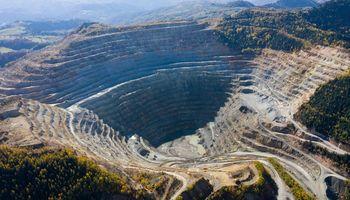
Its operations are divided across potash, nitrogen, phosphate, and retail agricultural solutions. The company remains the world’s largest potash producer and benefits from large-scale low-cost Mining Assets located primarily in Canada.
The retail segment remains strategically important because it provides direct exposure to farmers through crop nutrients, crop protection products, seed solutions, agronomic services, and financing. This creates recurring customer relationships and stabilizes earnings during commodity downturns.
Management continues focusing on operational efficiency, mine automation, supply-chain optimization, Capital discipline, and portfolio simplification. Nutrien is also reviewing strategic alternatives for certain non-core operations, including phosphate assets and Trinidad nitrogen facilities.
What Did Nutrien’s Latest Q1 2026 Earnings Reveal?
Nutrien reported strong first-quarter 2026 financial results driven by robust fertilizer demand, stronger nitrogen pricing, and record potash sales volumes. Revenue exceeded analyst expectations significantly, while adjusted EBITDA rose strongly year-over-year.
The company generated adjusted EBITDA of approximately US$1.1 billion, supported by improving operational performance and stronger margins. Potash sales volumes reached record levels while nitrogen earnings improved due to tight global supply conditions.
However, despite strong operational metrics, investors focused on several cautionary signals:
- EPS slightly missed consensus estimates
- Guidance remained relatively conservative
- Markets fear peak fertilizer pricing may moderate later in 2026
- Supply-chain execution risks remain elevated
- Input cost inflation continues impacting margins
This combination triggered aggressive selling pressure after the earnings release.
What Is the Latest Dividend Outlook and Upcoming Ex-Dividend Date for TSX:NTR - Nutrien?
Nutrien continues maintaining an attractive dividend profile supported by strong free Cash Flow generation and resilient fertilizer market fundamentals. The company recently declared a quarterly dividend of US$0.55 per share, reinforcing management confidence in cash flow stability.
The last ex-dividend date was March 31 2026. Investors are closely monitoring future dividend sustainability because fertilizer markets historically remain cyclical. However, Nutrien’s diversified operations and low-cost potash assets provide stronger long-term dividend resilience compared to many commodity peers.
The company also continues allocating capital toward share repurchases, operational investments, and strategic growth initiatives.
How Does Nutrien Compare Against Peers in the Fertilizer Sector?
Nutrien competes globally against companies including CF Industries, Mosaic, Yara International, and other fertilizer producers. Compared with peers, Nutrien benefits from its diversified exposure across potash, nitrogen, phosphate, and agricultural retail.
CF Industries has stronger Leverage to nitrogen pricing, which has surged because of Middle East disruptions. Mosaic remains more exposed to phosphate and potash markets, where input cost inflation remains challenging. Nutrien’s diversified model gives it greater earnings stability during volatile commodity cycles.
Analysts generally view Nutrien as one of the more resilient agricultural input companies because food demand remains structurally supported by population growth, limited arable land, and rising global crop consumption.
What Is the Current Technical Analysis for TSX:NTR - Nutrien?
Technically, Nutrien shares experienced a sharp breakdown after earnings, indicating strong short-term bearish momentum. The stock fell below several near-term support levels during heavy trading Volume, signaling aggressive institutional selling.
Momentum indicators suggest short-term oversold conditions may emerge if selling pressure continues. However, the stock remains volatile because commodity-linked equities are highly sensitive to macroeconomic headlines and geopolitical developments.
If fertilizer pricing remains elevated and geopolitical supply disruptions persist, technical sentiment could stabilize over the medium term. However, any rapid easing in fertilizer prices or recession concerns may continue pressuring the stock.
Is TSX:NTR - Nutrien Stock Cheap or Expensive Right Now?
From a valuation perspective, Nutrien trades at moderate forward earnings multiples relative to broader materials sector peers. Investors remain divided on whether fertilizer earnings are near cyclical peaks or entering a structurally stronger multi-year period.
The recent selloff may improve valuation attractiveness for long-term investors. The stock still offers dividend income, global agricultural exposure, and strong free cash flow generation.
However, cyclical commodity businesses often experience sharp earnings swings. Investors must remain aware that fertilizer pricing normalization could reduce future profitability if global supply conditions improve.
What Are the Bull and Bear Case Scenarios for TSX:NTR - Nutrien?
Bull Case
- Global fertilizer shortages remain severe
- Nitrogen and potash prices stay elevated
- Middle East supply disruptions continue
- Crop prices improve and farmer demand strengthens
- Nutrien expands margins and free cash flow
- Dividend growth and Buybacks accelerate
- Long-term food security trends drive sustained fertilizer demand
Bear Case
- Geopolitical tensions ease rapidly
- Fertilizer prices normalize sharply
- Global recession weakens agricultural demand
- Higher costs pressure margins
- Farmer affordability declines
- Commodity equities remain out of favor
- Supply-chain disruptions impact operations
What Is the ESG Analysis for Nutrien in 2026?
Nutrien continues increasing focus on sustainability, operational efficiency, and environmentally responsible agricultural practices. ESG considerations remain increasingly important because fertilizer production is energy-intensive and contributes significantly to global emissions.
The company is investing in:
- Lower-emission fertilizer technologies
- Precision agriculture
- Sustainable crop solutions
- Operational efficiency improvements
- Mine automation and reduced energy intensity
However, ESG-focused investors remain cautious because nitrogen fertilizer production depends heavily on fossil fuels and natural gas feedstocks.
What Is the Short-Term, Medium-Term, and Long-Term Outlook for TSX:NTR - Nutrien?
Short-term sentiment currently appears bearish because investors are reacting negatively to earnings expectations, macroeconomic uncertainty, and commodity volatility. The stock may remain highly volatile over the next three to six months.
The medium-term outlook appears more balanced. If fertilizer supply constraints persist globally and crop demand remains strong, Nutrien could benefit from improved pricing and stronger earnings momentum.
The long-term outlook remains structurally constructive because global agricultural demand continues rising due to population growth, food security concerns, limited farmland availability, and increasing crop Yield requirements.
What Forward-Looking Strategies Could Investors Consider for TSX:NTR - Nutrien?
Short-term investors may focus on monitoring fertilizer pricing trends, geopolitical developments, and technical support levels. Volatility is likely to remain elevated.
Medium-term investors could consider gradually accumulating positions during periods of market weakness if they believe fertilizer pricing will remain structurally higher through 2026.
Long-term investors may view Nutrien as a strategic agriculture and food-security play benefiting from global demographic trends, rising crop demand, and resilient potash fundamentals.
Diversification, disciplined risk management, and monitoring global commodity cycles remain critical for all investors considering exposure to cyclical fertilizer equities.
Is TSX:NTR - Nutrien Bullish, Bearish, or Neutral Right Now?
Short-term sentiment currently looks bearish because markets are aggressively repricing expectations after earnings. Technical momentum remains weak and macro uncertainty continues pressuring cyclical stocks.
Medium-term sentiment appears neutral to moderately bullish depending on fertilizer pricing trends and geopolitical developments.
Long-term sentiment remains cautiously bullish because Nutrien controls strategic low-cost potash assets and operates within a structurally important global agricultural industry.
What Are the Biggest Risks Investors Should Watch?
Key risks include:
- Falling fertilizer prices
- Geopolitical de-escalation reducing pricing power
- Global recession risks
- Farmer affordability concerns
- Rising energy and input costs
- Operational disruptions
- Environmental regulation risks
- Currency volatility
- Commodity market downturns
What Is the Final Investment Conclusion for TSX:NTR - Nutrien in May 2026?
TSX:NTR - Nutrien remains one of the most strategically important agricultural input companies globally. The sharp 7.5% decline on May 7 2026 reflects investor disappointment relative to elevated expectations rather than operational collapse.
The company continues benefiting from strong potash demand, elevated nitrogen pricing, and resilient agricultural fundamentals. However, short-term volatility remains extremely high because fertilizer markets are heavily influenced by geopolitical tensions, energy prices, and macroeconomic uncertainty.
Investors seeking dividend income, agricultural exposure, and long-term commodity diversification may still find Nutrien attractive after the recent selloff. However, short-term traders should remain prepared for continued volatility tied to Middle East developments, fertilizer pricing fluctuations, and broader global market sentiment.


 Jun 25, 2026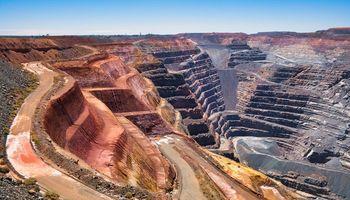
_06_26_2026_00_32_01_380697.jpg)

 Please wait processing your request...