
 AU
AU
 UK
UK
 US
US
 NZ
NZ
 IND
IND

 CA
CA

 Share
Share
 X (Formerly Twitter)
 Whatsapp
 Facebook
 LinkedIn
 Telegram
 Email This Article
 Copy Link
 Summarize with AI
 Chat GPT
 Perplexity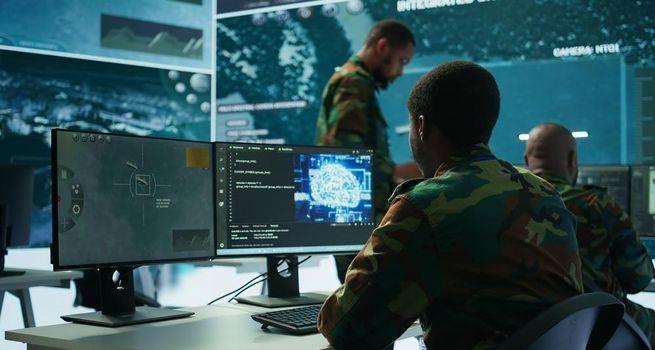
Introduction
CAE Inc. (TSX: CAE) is one of the world's leading providers of simulation technologies, aviation training solutions, defense training systems, and mission-support services. Operating at the intersection of aerospace, defense, and advanced technology, the company serves commercial airlines, business aviation operators, military organizations, and government agencies across numerous global markets. Through its extensive training network and simulation expertise, CAE has established itself as a critical participant in industries where safety, operational readiness, and workforce development are essential.
Recent strength in the stock reflects growing investor confidence in the company's strategic positioning within sectors benefiting from powerful long-term demand drivers. Commercial aviation continues progressing through a multi-year recovery cycle, while defense spending trends across many regions remain supportive of training and simulation investments. These factors have contributed to improving sentiment surrounding CAE's growth prospects and operational outlook.
The broader aerospace and defense sector has attracted significant investor attention due to increasing geopolitical uncertainty, rising military modernization efforts, and continued growth in global air travel. Companies capable of providing essential training solutions, advanced simulation technologies, and mission-critical services are increasingly viewed as strategically important participants within these industries.
The recent green close suggests that investors are becoming more optimistic regarding CAE's ability to capitalize on favorable industry dynamics. While challenges remain, the combination of aviation recovery, defense modernization initiatives, and technological leadership supports a constructive investment narrative.
Key Reasons Behind Upside
One of the most significant factors supporting CAE's recent momentum is the continued recovery and expansion of global aviation activity. As airlines expand operations, add capacity, and address workforce shortages, demand for pilot training and aviation education services remains strong. Training is not optional within the aviation industry; it is a regulatory requirement, creating recurring demand that supports long-term business stability.
The company is also benefiting from structural workforce trends. The aviation industry continues facing a need for qualified pilots, technicians, and aviation professionals. Investors increasingly recognize that training providers play a critical role in supporting industry growth and operational continuity.
Defense spending trends represent another major catalyst. Governments around the world continue prioritizing military readiness, modernization initiatives, and advanced training capabilities. Simulation technologies offer cost-effective and efficient methods for preparing military personnel, making them increasingly important components of defense strategies.
Geopolitical tensions, including developments involving the United States, Iran, Eastern Europe, and broader global security concerns, have strengthened investor interest in defense-related businesses. During periods of elevated geopolitical uncertainty, governments often increase focus on preparedness, operational readiness, and training investments. This creates a supportive environment for companies providing defense training solutions and simulation technologies.
CAE's technological leadership also enhances its investment appeal. Advanced simulation systems require specialized expertise, significant research and development capabilities, and long-standing customer relationships. These factors create barriers to entry that can strengthen competitive positioning over time.
Institutional investors often favor companies operating in mission-critical industries where services are difficult to replace. Aviation training and military simulation systems fall into this category because they are essential for safety, compliance, and operational effectiveness.
The company's diversified business model provides another source of strength. Exposure to both commercial aviation and defense markets helps reduce reliance on any single customer segment. This diversification can improve resilience during changing economic or industry conditions.
The increasing adoption of simulation-based training remains another favorable trend. Organizations continue seeking efficient ways to train personnel while reducing operational costs and improving outcomes. Simulation technologies often provide advantages over traditional training methods, supporting long-term demand growth.
Operational execution has also contributed to improving investor confidence. Market participants continue monitoring contract wins, training demand, customer relationships, and strategic initiatives. Consistent execution in these areas can reinforce positive sentiment and support valuation expansion.
Global air travel demand remains an important long-term driver. As airlines expand fleets and increase utilization rates, demand for pilot training and certification programs is expected to remain strong. Investors view these trends as supportive of CAE's commercial aviation business.
Additionally, market momentum itself has become a positive factor. Strong share price performance often attracts additional investor attention, particularly when supported by favorable industry conditions and improving fundamentals.
Risks to Consider
Despite the constructive outlook, investors should remain mindful of several risks that could influence future performance.
Economic slowdowns may affect commercial aviation activity. Although training remains essential, prolonged weakness in airline profitability or fleet expansion could influence demand patterns.
Government budget decisions represent another important consideration. Defense-related revenue can be influenced by procurement cycles, funding priorities, and changes in military spending programs.
Execution risk remains relevant. Large contracts, technology development projects, and training network operations require effective management and consistent performance.
Competition within aerospace and defense markets continues to evolve. While CAE possesses significant expertise, maintaining technological leadership requires ongoing investment and innovation.
Geopolitical uncertainty can create both opportunities and risks. While rising tensions may support defense spending, broader instability can affect aviation markets, global trade, and economic activity.
Regulatory changes may also influence operating conditions. Aviation training providers must comply with stringent industry requirements, and evolving standards could require additional investments.
Labor availability represents another factor. The company depends on highly skilled professionals, instructors, engineers, and technical specialists. Competition for talent could affect operating efficiency.
Supply-chain disruptions remain a consideration across aerospace-related industries. Delays involving equipment, technology components, or manufacturing processes could impact project execution.
Valuation sensitivity may increase if investor expectations become elevated following strong stock performance. Sustaining positive sentiment often requires continued operational delivery and favorable market conditions.
Valuation Perspective
From a valuation standpoint, CAE occupies a unique position within the aerospace and defense ecosystem. Investors often view the company as a technology-enabled training provider rather than a traditional aerospace manufacturer, which can support differentiated valuation characteristics.
The current market narrative appears increasingly constructive. Investors recognize the strategic importance of simulation technologies, training infrastructure, and workforce development capabilities. These assets become particularly valuable in industries where safety and readiness are critical priorities.
Defense-related opportunities contribute additional valuation support. Rising global security concerns have increased interest in companies capable of benefiting from military modernization and training investments. CAE's established position within defense training markets strengthens its attractiveness.
Commercial aviation recovery also remains a key component of the valuation story. Long-term demand for pilot training, certification, and workforce development supports future growth expectations.
The company's technological capabilities create long-term optionality. Advances in simulation systems, digital training solutions, and mission-support technologies may generate additional opportunities over time.
At the same time, valuation support remains tied to execution. Investors will continue evaluating training demand trends, contract activity, technological innovation, and operational performance when assessing future upside potential.
Technical Levels to Watch
- Support Zone: Recent consolidation ranges and accumulation areas may provide support during periods of market volatility.
- Resistance Levels: Previous highs and breakout regions remain important indicators for investors assessing trend continuation.
- Volume Trends: Rising trading activity during positive sessions may signal strengthening institutional participation.
- Momentum Indicators: Technical momentum remains constructive, with trend indicators suggesting continued investor interest following the recent green close.
Outlook
The outlook for CAE remains cautiously constructive. The company operates within industries benefiting from multiple long-term growth drivers, including aviation workforce development, defense modernization, simulation technology adoption, and increasing demand for operational readiness.
Commercial aviation fundamentals remain supportive over the long term. Airlines continue addressing workforce requirements while expanding operations to meet evolving travel demand. Training providers play a critical role in supporting these needs, creating favorable conditions for sustained demand.
Defense markets also appear positioned for continued investment. Governments increasingly recognize the importance of training, preparedness, and simulation-based readiness programs. These trends support long-term opportunities within CAE's defense segment.
Geopolitical tensions, including developments involving the United States and Iran, may continue reinforcing military training and readiness priorities. While such events introduce uncertainty into global markets, they often strengthen the strategic importance of defense-related capabilities and training infrastructure.
Technological innovation remains another important opportunity. Advances in simulation systems, digital learning platforms, and immersive training environments may create additional avenues for growth and competitive differentiation.
Investors should nevertheless remain attentive to economic conditions, government spending decisions, competitive dynamics, and execution-related challenges. These factors will continue shaping the operating environment and influencing investor sentiment.
Overall, CAE appears well-positioned to benefit from favorable aerospace and defense industry trends, increasing demand for workforce development, and growing adoption of advanced training technologies. The combination of strategic relevance, recurring demand characteristics, and improving investor confidence supports a favorable outlook, although continued execution will remain critical to sustaining long-term momentum.


 Jun 27, 2026




 Please wait processing your request...