
 NZ
 UK
 US
 AU
 IND

 CA

 Share
 X (Formerly Twitter)
 Whatsapp
 Facebook
 LinkedIn
 Telegram
 Email This Article
 Copy Link
 Summarize with AI
 Chat GPT
 Perplexity
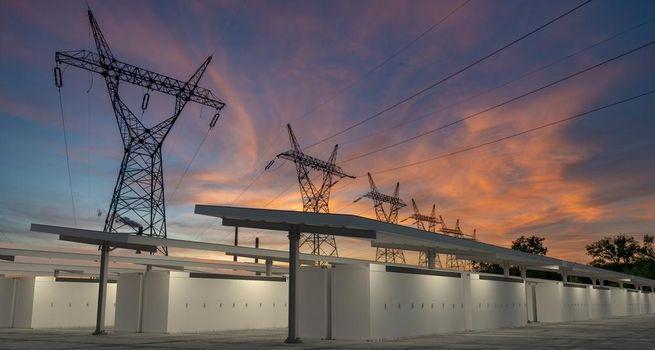
TC Energy Corporation (TSX:TRP) is one of North America's largest energy infrastructure companies, operating an extensive network of natural gas pipelines, liquids pipelines, and power generation assets across Canada, the United States, and Mexico. The company plays a vital role in transporting natural gas to utilities, industrial customers, and export facilities while generating stable cash flows through long-term contracted assets. TC Energy continues to invest in expanding its natural gas infrastructure and optimizing its asset portfolio following the separation of its liquids business. As energy demand continues to rise across North America, the company remains strategically positioned to benefit from growing natural gas consumption, LNG export expansion, and increasing investment in energy security.
Key Takeaways –
• The recent decline appears to reflect investor profit-taking and cautious market sentiment rather than a significant deterioration in TC Energy's long-term fundamentals.
• Natural gas infrastructure expansion, contracted cash flows, and growing LNG demand remain key long-term growth catalysts.
• Regulatory developments, project execution, interest rates, and geopolitical uncertainty continue to represent the primary risks for investors.
Why the Stock Is Moving Down Today
The recent weakness in TC Energy shares appears to be driven by a combination of broader market caution and investor profit-taking following previous gains in defensive infrastructure stocks. Energy infrastructure companies often experience short-term volatility as investors reassess interest rate expectations, financing costs, and regulatory developments affecting large capital projects.
Although TC Energy continues to benefit from stable contracted revenue, investors remain attentive to project execution, capital allocation priorities, and the company's ongoing efforts to strengthen its balance sheet. The latest downtick appears to reflect changing market sentiment rather than any major shift in the company's underlying operating performance.
Key Growth Catalysts
Several factors could support TC Energy's long-term growth outlook.
The continued expansion of North America's natural gas infrastructure remains one of the company's strongest growth drivers. Increasing demand for natural gas from power generation, industrial users, and LNG export terminals continues to create opportunities for new pipeline investments.
Growing LNG exports from Canada and the United States could further increase demand for pipeline transportation services, benefiting TC Energy's extensive natural gas network.
The company also benefits from long-term contracted assets that generate relatively stable and predictable cash flows, supporting future investments and shareholder returns.
In addition, continued optimization of its asset portfolio, disciplined capital allocation, and investments in energy infrastructure projects could further strengthen earnings growth over the long term.
Key Risks to Watch
Despite its strong market position, TC Energy faces several important risks.
Large infrastructure projects remain subject to regulatory approvals, permitting delays, legal challenges, and construction risks that can increase costs and delay expected returns.
Interest rate fluctuations also remain important, as higher borrowing costs can affect financing expenses for capital-intensive infrastructure investments.
The company remains exposed to changes in government energy policies, environmental regulations, and evolving climate-related legislation that may influence future pipeline development.
Commodity market weakness or reduced natural gas demand could also affect future expansion opportunities, although the company's contracted business model helps reduce direct commodity price exposure.
Valuation Perspective
TC Energy is generally viewed as a mature infrastructure company with stable cash generation supported by long-term contracts rather than rapid earnings growth. Investors typically value the company based on its regulated and contracted asset base, dividend profile, future cash-flow growth, and ability to execute large-scale infrastructure projects.
The recent decline may encourage long-term income-oriented investors to reassess valuation if the company continues delivering stable financial performance and executes its capital investment strategy successfully. Future valuation expansion will likely depend on earnings growth, project execution, debt management, and continued demand for North American natural gas infrastructure.
Technical Analysis and Key Levels
From a technical perspective, the recent downtick indicates that short-term selling pressure has increased following previous price strength.
The stock may now be approaching an important support area where buyers have historically returned to the market. Holding above this zone would help preserve the longer-term bullish structure and improve investor confidence.
On the upside, recent swing highs are likely to serve as key resistance levels. A sustained breakout above those levels, accompanied by stronger trading volume, could signal renewed buying momentum and improve the overall technical outlook.
Investors should also monitor broader energy infrastructure sector performance and interest rate expectations for additional confirmation of future price direction.
Iran War Impact (Latest Update)
The ongoing geopolitical tensions involving Iran could have both positive and negative implications for TC Energy.
Heightened geopolitical uncertainty often supports higher global energy prices and reinforces the importance of energy security. Governments and energy companies may accelerate investments in reliable natural gas infrastructure to diversify energy supplies, potentially creating additional long-term opportunities for TC Energy.
However, prolonged geopolitical instability could also contribute to higher market volatility, inflationary pressures, and increased financing costs for large infrastructure projects. While the company is less directly exposed to crude oil price fluctuations than upstream energy producers, broader energy market uncertainty can still influence investor sentiment.
Overall, the Iran situation could prove modestly positive over the long term if it accelerates investment in North American energy infrastructure and natural gas transportation.
Conclusion
TC Energy Corporation (TSX:TRP) remains one of North America's leading energy infrastructure companies, supported by an extensive pipeline network, long-term contracted assets, and strong exposure to growing natural gas demand. Although the stock recorded a downtick on 30 June 2026, the weakness appears more closely linked to short-term market sentiment and profit-taking than any material deterioration in the company's long-term outlook. Investors should continue monitoring project execution, regulatory developments, interest rate trends, and North American energy demand when assessing the stock's future potential.


 Nov 27, 2026





 Please wait processing your request...