
 NZ
 UK
 US
 AU
 IND

 CA

 Share
 X (Formerly Twitter)
 Whatsapp
 Facebook
 LinkedIn
 Telegram
 Email This Article
 Copy Link
 Summarize with AI
 Chat GPT
 Perplexity
Investment Guide & Market Analysis – March 2026
Introduction
Canada ranks among the world’s most important iron ore producing nations, supplying high-quality ore to steel producers across North America, Europe, and Asia. The country’s mining industry is supported by advanced infrastructure, strong regulatory frameworks, and one of the world’s most active mining capital markets through the Toronto Stock Exchange and the TSX Venture Exchange.
In 2026, the global iron ore market is entering a transformative phase. Steelmakers worldwide are transitioning toward low-carbon and “green steel” production, which requires higher-grade iron ore inputs with fewer impurities. Canadian deposits, particularly those in the Labrador Trough, naturally produce premium-grade ore suitable for direct reduction iron (DRI) processes.
This shift is strengthening the investment case for Canadian iron ore companies. Firms such as Champion Iron Limited and Labrador Iron Ore Royalty Corporation provide investors with direct exposure to this strategic commodity and the structural transformation occurring in global steelmaking.
Canada’s Iron Ore Production and the Labrador Trough
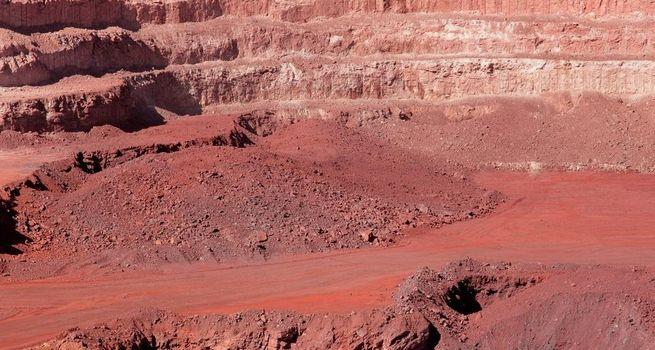
The Labrador Trough is the backbone of Canada’s iron ore industry. Stretching across northeastern Quebec and Labrador, this geological belt contains some of the richest iron formations in the world and has supported mining operations for more than half a century.
Key characteristics of the Labrador Trough include:
- High iron content in deposits
• Low impurity levels compared with many global sources
• Large-scale, long-life mining assets
• Extensive rail and port infrastructure
One of the most important operators in the region is the Iron Ore Company of Canada, a major producer jointly owned by several global mining groups. Its operations around the Carol Lake mine and the port of Pointe-Noire represent one of the largest integrated iron ore supply chains in North America.
Iron ore mined in the region is transported via rail to deep-water ports in Quebec and Labrador, enabling efficient exports to steel mills worldwide. This infrastructure advantage has allowed Canada to remain a competitive supplier despite being geographically distant from many Asian markets.
The Labrador Trough’s combination of geology, infrastructure, and skilled workforce ensures that it will remain Canada’s primary iron ore producing region for decades.
Global Iron Ore Market Outlook
The outlook for iron ore demand remains closely tied to global steel production. Steel is a foundational material used in construction, transportation, renewable energy infrastructure, and manufacturing.
Several key trends are shaping iron ore markets in 2026:
- The Green Steel Transition
Governments and corporations are prioritizing decarbonization. Traditional blast furnace steelmaking is carbon-intensive, and many steel producers are shifting toward direct reduction iron (DRI) technology and electric arc furnaces.
These technologies require high-grade iron ore pellets, which Canadian producers are well positioned to supply.
- Infrastructure Investment
Massive infrastructure spending programs in North America, Europe, and Asia continue to drive steel consumption. Projects involving railways, energy grids, wind turbines, and electric vehicles all require large quantities of steel.
- China’s Dominant Demand
China remains the world’s largest steel producer and iron ore consumer. Although its growth rate has slowed, ongoing urban development and infrastructure projects continue to support strong iron ore demand.
- Near-Shoring in North America
Policies encouraging domestic manufacturing and supply-chain resilience are boosting steel production in United States and Canada, strengthening regional demand for North American iron ore.
Top Canadian Iron Ore Stocks on the TSX
Champion Iron Limited – Leading Producer of High-Grade Iron Ore
Champion Iron Limited has emerged as one of Canada’s most prominent iron ore producers. The company operates the Bloom Lake Mine in Quebec, a large-scale open-pit mine producing high-grade iron ore concentrate.
Key investment highlights include:
- Focus on premium DRI-quality iron ore
• Strong operational performance and production growth
• Expansion potential through advanced processing projects
• Direct leverage to global iron ore prices
Bloom Lake produces iron ore concentrate with iron content above many global benchmarks, making it highly attractive to steelmakers pursuing lower-carbon steel production.
Champion Iron has also been advancing its Direct Reduction Pellet Feed (DRPF) project. This initiative aims to increase production of iron ore specifically designed for green steel processes.
From an investment perspective, Champion Iron offers a pure-play exposure to iron ore, meaning company performance closely tracks the commodity price. When iron ore prices rise, the company’s revenues and cash flows typically increase significantly.
Labrador Iron Ore Royalty Corporation – Dividend Income Exposure
For investors seeking income exposure to iron ore markets, Labrador Iron Ore Royalty Corporation represents a unique investment structure.
Instead of operating mines directly, the company owns:
- A 15.1% equity interest in the Iron Ore Company of Canada
• Royalty rights on iron ore production
• Participation in IOC’s operating profits
Because of this structure, LIF generates revenue through royalties and dividends tied to IOC’s performance.
Investment advantages include:
- Stable cash flow linked to IOC operations
• Attractive dividend distributions
• Lower operational risk compared with mine operators
• Exposure to one of Canada’s largest iron ore mines
IOC’s long operating history and strong customer relationships provide a durable foundation for ongoing dividend payments.
Emerging Trends in the Iron Ore Sector
Direct Reduction Iron (DRI) Technology
The rapid expansion of DRI technology is reshaping iron ore demand. DRI production requires ultra-high-grade ore, which significantly reduces carbon emissions during steel production.
Canadian producers are investing heavily in upgrading facilities to produce DRI-compatible products.
Premium Ore Pricing
A major shift in the market is the widening price gap between:
- Standard iron ore (lower grade)
• Premium iron ore (high grade)
High-grade iron ore typically commands significant pricing premiums, improving margins for Canadian producers.
Renewable Energy Infrastructure
Iron ore demand is also being driven by renewable energy expansion. Wind turbines, solar infrastructure, and electric vehicle manufacturing require large volumes of steel.
As countries accelerate energy transition efforts, iron ore demand is expected to remain structurally strong.
Investment Thesis for Canadian Iron Ore Stocks
The bullish case for Canadian iron ore investments is supported by several structural factors:
- Long-Term Demand for Steel
Steel remains essential for global development, infrastructure, and industrial production.
- Green Steel Transformation
Low-carbon steel production methods require high-quality iron ore inputs, which Canadian deposits provide.
- Premium Product Advantage
Canadian iron ore typically contains higher iron content and fewer impurities.
- Strong Mining Infrastructure
Canada’s established railways, ports, and logistics networks reduce transportation costs.
- Attractive Capital Markets
The Toronto Stock Exchange remains one of the world’s most important mining investment hubs.
Risks to Consider
While the sector offers strong opportunities, investors should be aware of potential risks.
Commodity Price Volatility
Iron ore prices can fluctuate significantly based on global supply and demand.
Economic Cycles
Global recessions can reduce steel demand, impacting iron ore consumption.
Operational Risks
Mining operations face challenges such as equipment failures, weather disruptions, and geological variability.
Environmental Regulations
Stricter environmental policies may require additional investment in sustainability and emissions reductions.
Future Outlook for Canada’s Iron Ore Industry
The Canadian iron ore sector is entering a period of renewed strategic importance. As the global steel industry transitions toward decarbonization, the demand for premium iron ore is expected to grow significantly.
The Labrador Trough’s high-quality deposits, combined with Canada’s strong mining expertise, place the country in a favorable position to benefit from this transition.
Companies such as Champion Iron Limited and Labrador Iron Ore Royalty Corporation are likely to remain central players in the market, offering investors exposure to one of the most essential commodities in the global economy.
Conclusion
Iron ore remains the backbone of modern industrial development, and Canada plays a vital role in supplying the global steel industry. With premium deposits located in the Labrador Trough and strong infrastructure supporting production and exports, Canadian producers are well positioned for long-term growth.
The transition toward green steel production is further strengthening the demand for high-grade iron ore, creating a favorable pricing environment for companies capable of producing premium products.
For investors seeking exposure to commodities, infrastructure development, and the global energy transition, Canadian iron ore stocks provide a compelling opportunity in 2026 and beyond.


 Nov 27, 2026





 Please wait processing your request...