
 NZ
 UK
 US
 AU
 IND

 CA

 Share
 X (Formerly Twitter)
 Whatsapp
 Facebook
 LinkedIn
 Telegram
 Email This Article
 Copy Link
 Summarize with AI
 Chat GPT
 Perplexity
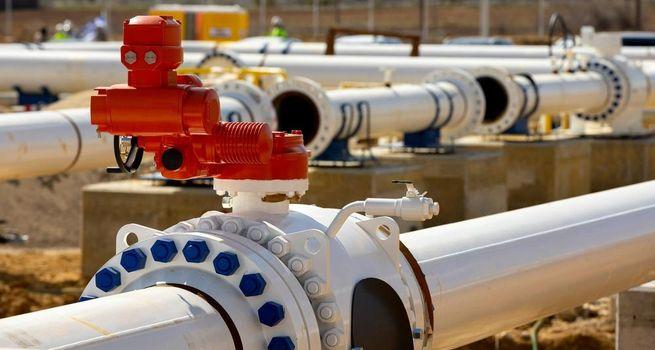
Tourmaline Oil Corp. (TSX: TOU) Canada’s largest natural gas producer, has continued to demonstrate operational strength through record production, expanding reserves, and disciplined capital allocation. The company’s latest operational update highlights strong output growth, cost optimization efforts, and strategic portfolio adjustments that could support long-term shareholder returns.
As the global demand for natural gas increases amid the energy transition, Tourmaline’s extensive resource base and infrastructure investments position it as a key player in North America’s gas supply chain.
Strong Production Momentum
One of the major factors driving investor interest in Tourmaline is its consistent production growth. The company reported record fourth-quarter production exceeding 659,000 barrels of oil equivalent per day (boepd), while early 2026 output surpassed 685,000 boepd, marking another operational milestone.
Natural gas remains the company’s primary production segment, with output exceeding 3 billion cubic feet per day, supported by strong drilling activity across its core assets in the Alberta Deep Basin and the Northeast British Columbia Montney region.
Liquids production, including crude oil, condensate, and natural gas liquids, also reached record levels. These higher-value liquids contribute to stronger margins and help offset volatility in natural gas prices.
Expanding Reserve Base
Tourmaline has also strengthened its long-term production outlook through significant reserve growth. The company added 829 million barrels of oil equivalent in proved plus probable reserves during 2025, representing a reserve replacement ratio of more than three times annual production.
Its total proved plus probable reserves now exceed 6 billion barrels of oil equivalent, providing decades of drilling inventory.
Importantly, only about 15% of the company’s drilling locations are currently included in its booked reserves, indicating considerable potential for future reserve additions as development continues.
This large inventory gives Tourmaline operational flexibility and supports sustained production growth over the long term.
Cost Reduction and Efficiency Gains
Operational efficiency remains a key pillar of Tourmaline’s strategy. The company has implemented a broad cost-reduction program across its operations, lowering operating costs to around $4.66 per barrel of oil equivalent in late 2025.
Management expects additional savings through infrastructure investments, supply chain optimization, and vertical integration initiatives. For example, new sand supply agreements and infrastructure improvements could reduce drilling costs significantly in coming years.
By 2031, the company aims to achieve structural cost reductions of roughly $1.50 per barrel, which could translate into hundreds of millions of dollars in annual savings.
These efficiency gains help lower break-even prices and enhance free cash flow generation.
Strategic Portfolio Optimization
Another notable development was the sale of the Peace River High asset complex for approximately $765 million. The transaction allows the company to divest mature, higher-cost production while redeploying capital into its core gas complexes.
Proceeds from the sale are being used to reduce debt and fund infrastructure expansion in the Montney region. The move strengthens the company’s balance sheet and improves overall operating margins.
Tourmaline’s net debt has declined significantly following the transaction, bringing leverage levels well below industry averages.
Growth Catalysts
Several upcoming developments could support Tourmaline’s long-term growth.
Rising Global Natural Gas Demand
Demand for natural gas continues to grow globally, particularly as countries seek cleaner alternatives to coal. Canada’s gas producers could benefit from increased exports through LNG facilities on the West Coast.
Tourmaline’s exposure to international pricing benchmarks and diversified marketing portfolio could provide significant upside if global gas markets strengthen.
Infrastructure Expansion
The company is investing heavily in processing plants, pipelines, and liquids handling infrastructure. New facilities scheduled to come online in the coming years will increase production capacity and improve operational efficiency.
Infrastructure ownership also provides cost advantages and improves control over product transportation.
Strong Well Performance
Recent drilling programs have delivered some of the best well results in several years, particularly in the Montney formation. Higher productivity wells enhance returns on capital and support long-term production growth.
Storage and Market Access
Tourmaline has secured additional natural gas storage capacity and expanded its exposure to premium markets across North America. Access to these higher-priced markets improves realized prices and stabilizes cash flow.
Risks to Consider
Despite its strong operational performance, investors should be aware of several risks.
Commodity Price Volatility
Natural gas prices can fluctuate significantly due to weather patterns, supply levels, and geopolitical developments. Sustained low prices could impact profitability and free cash flow.
Infrastructure and Market Constraints
Western Canadian gas producers sometimes face pricing discounts due to transportation constraints. Delays in pipeline or LNG infrastructure could affect market access.
Capital Intensity
Oil and gas development requires significant capital investment. If drilling costs rise or production results disappoint, returns on investment could be affected.
Environmental and Regulatory Pressure
Energy companies face increasing scrutiny related to emissions and environmental impact. Regulatory changes could increase compliance costs.
Valuation Perspective
Tourmaline’s valuation is often supported by its strong reserve base, consistent cash flow generation, and shareholder return strategy.
The company’s reserve report suggests significant underlying asset value, with proved plus probable reserves representing substantial long-term economic potential.
Additionally, Tourmaline maintains a shareholder return strategy that includes base dividends and potential special dividends during periods of strong commodity prices.
Technical Outlook
From a technical perspective, investors typically monitor several indicators when evaluating the stock:
- Support levels near historical accumulation zones
- Resistance levels where selling pressure previously emerged
- Volume spikes following earnings announcements or commodity price changes
Energy stocks often move in tandem with natural gas prices, meaning macro trends in the energy market can influence the stock’s technical momentum.
Outlook
Tourmaline Oil Corp. remains one of Canada’s strongest natural gas producers, combining large reserves, growing production, and disciplined capital management.
With a focus on cost efficiency, infrastructure expansion, and strategic asset optimization, the company appears well positioned to benefit from long-term natural gas demand growth.
However, investors should continue to monitor commodity price trends, infrastructure developments, and broader energy market conditions when evaluating the company’s future prospects.


 Nov 27, 2026





 Please wait processing your request...