
 NZ
 UK
 US
 AU
 IND

 CA

 Share
 X (Formerly Twitter)
 Whatsapp
 Facebook
 LinkedIn
 Telegram
 Email This Article
 Copy Link
 Summarize with AI
 Chat GPT
 Perplexity
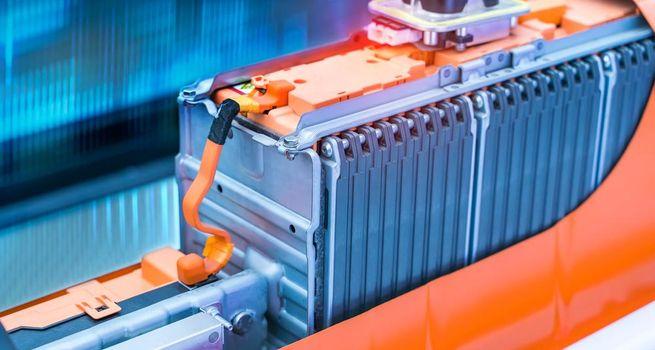
NFI Group Inc. (TSX:NFI) is one of North America's leading manufacturers of transit buses, motor coaches, electric buses, and mobility solutions. Through well-known brands such as New Flyer, MCI, Alexander Dennis, and ARBOC, the company supplies public transportation agencies across Canada, the United States, the United Kingdom, and other international markets. NFI has increasingly positioned itself as a leader in zero-emission transportation by expanding its portfolio of battery-electric and hydrogen fuel-cell buses.
Despite its strategic positioning in the public transit sector, NFI Group shares recently traded lower as investors reacted to broader market uncertainty, concerns over manufacturing costs, and cautious sentiment surrounding industrial stocks. Although long-term demand for public transportation and clean mobility solutions remains encouraging, investors continue to assess the pace of order deliveries, supply chain normalization, and profitability improvements.
The recent weakness in the stock appears to reflect near-term market concerns rather than a significant deterioration in the company's long-term outlook. With a sizable order backlog, expanding electric vehicle offerings, and increasing government support for sustainable transportation, NFI continues to have meaningful long-term growth opportunities.
Key Takeaways
• NFI Group's recent decline appears to be driven by broader market volatility, investor concerns over manufacturing costs, and ongoing execution challenges.
• The company continues to benefit from a strong order backlog, growing demand for zero-emission buses, and supportive government investment in public transportation.
• Investors should monitor order deliveries, operating margins, supply chain conditions, cash flow generation, and key technical support levels.
Key Reasons Driving the Downtick
Broader Industrial Sector Weakness
Industrial companies often experience selling pressure during periods of economic uncertainty as investors become cautious about future capital spending and infrastructure investment.
Manufacturing Cost Pressures
Although inflation has moderated compared to previous years, manufacturers continue to face higher labor, material, and logistics costs. Rising production expenses can affect profitability if costs cannot be fully passed on to customers.
Supply Chain Challenges
The availability of electronic components, batteries, semiconductors, and other critical parts remains an important factor for vehicle manufacturers. Any disruptions can delay deliveries and impact financial performance.
Profit-Taking After Previous Gains
Following periods of share price recovery, investors may choose to lock in gains, particularly when broader market sentiment weakens.
Execution Risks
Large production backlogs require efficient manufacturing and timely deliveries. Investors closely monitor whether the company can convert its backlog into revenue while maintaining healthy margins.
Key Growth Catalysts
Growing Demand for Zero-Emission Buses
Governments across North America and Europe continue investing in electric public transportation to reduce emissions. This trend supports long-term demand for NFI's electric and hydrogen-powered buses.
Strong Order Backlog
A healthy order backlog provides revenue visibility and supports future production activity over multiple quarters.
Government Infrastructure Spending
Public funding programs focused on sustainable transportation and fleet modernization continue creating opportunities for bus manufacturers.
Operational Efficiency Improvements
Management's efforts to improve manufacturing efficiency, optimize supply chains, and reduce costs could enhance future profitability.
International Expansion
NFI continues pursuing opportunities in international markets, providing additional avenues for long-term revenue growth beyond North America.
Key Risks Investors Should Consider
Supply Chain Disruptions
Continued shortages of critical components could delay production schedules and vehicle deliveries.
Margin Pressure
Higher manufacturing costs or pricing competition may reduce operating margins.
Dependence on Government Spending
A significant portion of demand comes from public transit agencies whose purchasing decisions depend on government budgets and infrastructure funding.
Project Execution Risk
Delays in manufacturing, customer acceptance, or contract execution could affect revenue recognition.
Economic Conditions
Economic slowdowns may influence public sector spending priorities and delay new transit fleet purchases.
Technical Levels and Stock Outlook
From a technical perspective, NFI Group has experienced increased selling pressure in recent trading sessions.
Immediate Support: Recent trading lows represent the first important support area where buyers could attempt to stabilize the stock.
Major Support: Longer-term consolidation zones remain important for maintaining the broader recovery trend.
Resistance: Previous support levels may now serve as resistance during any near-term rebound.
Trading Volume: Increasing buying volume near support would indicate improving investor confidence.
Momentum Indicators: RSI and MACD should be monitored for signs that selling momentum is weakening and a potential recovery is developing.
Conclusion
NFI Group's recent share-price decline appears to be influenced primarily by broader industrial sector weakness, investor caution, manufacturing cost pressures, and execution concerns rather than a major deterioration in its long-term business outlook.
The company remains well positioned to benefit from the global transition toward cleaner public transportation. Strong government support for zero-emission transit, an expanding electric bus portfolio, and a sizable order backlog continue to provide attractive long-term growth opportunities.
Nevertheless, investors should closely monitor supply chain developments, production execution, operating margins, cash flow generation, and government infrastructure spending. Successful execution of its manufacturing strategy and continued demand for sustainable transportation solutions could support improved financial performance over the coming years.


 Nov 27, 2026





 Please wait processing your request...