
 NZ
 UK
 US
 AU
 IND

 CA

 Share
 X (Formerly Twitter)
 Whatsapp
 Facebook
 LinkedIn
 Telegram
 Email This Article
 Copy Link
 Summarize with AI
 Chat GPT
 Perplexity
Introduction
The global economy is entering a transformative phase where copper has become one of the most strategically important commodities. The transition toward electrification, renewable energy, electric vehicles, artificial intelligence infrastructure, and modern power grids is dramatically increasing demand for copper worldwide.
Often referred to as “the metal of electrification,” copper is essential for modern electrical systems because of its excellent conductivity, durability, and efficiency. From electric vehicle motors and charging networks to wind turbines and solar installations, copper sits at the center of the global decarbonization movement.
Canada has emerged as a major beneficiary of this shift. With world-class mineral resources, advanced mining expertise, and strong capital markets through the Toronto Stock Exchange (TSX), the country is positioned as a global hub for copper investment.
This guide explores the Canadian copper mining landscape, market outlook, leading TSX copper companies, sector trends, investment opportunities, and key risks for investors in 2026 and beyond.
Canada’s Copper Mining Landscape
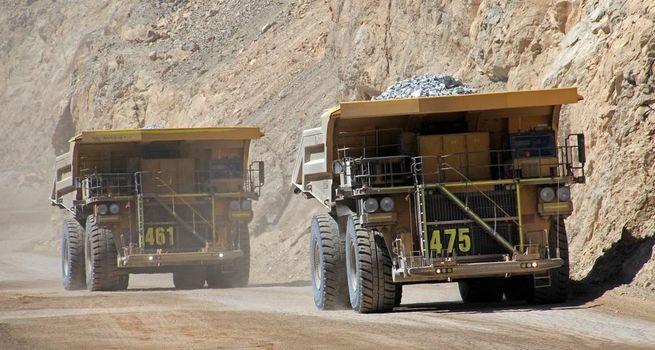
Canada ranks among the world’s leading mining jurisdictions, with copper resources spread across provinces including British Columbia, Ontario, Quebec, Manitoba, and Saskatchewan. British Columbia in particular hosts several large porphyry copper deposits and remains the backbone of Canadian production.
The Canadian mining sector benefits from several structural advantages:
- World-class geological deposits
Canada hosts large, long-life copper deposits capable of supporting multi-decade mining operations. - Advanced mining technology
Canadian companies lead globally in automation, AI-driven mine monitoring, and environmentally responsible extraction. - Strong regulatory framework
Transparent regulations, stable governance, and environmental standards attract international investment. - Capital access through the TSX
Toronto is the world’s largest mining finance center, providing equity and debt financing to exploration companies and global producers.
These factors make Canada a preferred destination for global mining capital and exploration investment.
Global Copper Market Outlook
Copper demand is expected to grow rapidly over the next two decades as the world electrifies.
Several structural trends are driving this growth.
Electrification and Electric Vehicles
Electric vehicles contain significantly more copper than traditional gasoline vehicles due to electric motors, battery systems, and high-voltage wiring.
Each EV requires up to four times more copper than an internal combustion vehicle, making the metal essential to the future of transportation.
EV-related copper demand alone is expected to rise sharply over the next decade as adoption accelerates worldwide.
Renewable Energy Infrastructure
Solar panels, wind turbines, grid interconnections, and battery storage require large quantities of copper wiring and electrical components.
Power grid infrastructure is expected to drive more than 60% of global copper demand growth through 2030, highlighting copper’s importance in renewable energy deployment.
Artificial Intelligence and Data Centers
A new and rapidly growing driver of copper demand is AI infrastructure.
Large-scale data centers require enormous electrical capacity and cooling systems, both of which rely heavily on copper wiring and components.
Data centers alone could consume more than half a million tonnes of copper annually by 2030, reflecting the increasing power demands of AI systems.
Structural Supply Deficit
While demand is accelerating, copper supply is struggling to keep pace.
Industry forecasts suggest a growing structural deficit due to long mine development timelines, declining ore grades, and limited new project pipelines.
Global copper demand could increase dramatically over the coming decades while supply growth lags, potentially creating significant shortages and price pressure.
Why Canada Is Positioned to Benefit
Canada’s mining sector is well placed to capitalize on this supply gap.
Several factors support Canadian copper producers:
- stable political environment
• ESG-focused mining practices
• strong global mining expertise
• infrastructure supporting mineral exports
• deep capital markets supporting exploration
Additionally, Canadian companies operate globally, meaning many TSX-listed miners control large copper projects in South America, the United States, and Africa.
This global footprint amplifies production potential and revenue growth.
Top TSX Copper Mining Stocks for 2026
The Toronto Stock Exchange hosts several major copper producers and developers that provide exposure to the electrification megatrend.
Below are four of the most prominent copper-focused companies.
Teck Resources is one of Canada’s largest diversified mining companies and a leading copper producer.
The company operates the Highland Valley Copper Mine in British Columbia, Canada’s largest copper mine, which recently received approval for a life extension through 2046.
This extension is expected to support annual production of around 132,000 tonnes of copper, ensuring long-term supply from one of Canada’s most important mining operations.
Teck also operates major copper assets in South America, including the large Quebrada Blanca Phase 2 project in Chile, which is expected to significantly increase copper output once fully ramped up.
Key investment strengths include:
- diversified portfolio of base metals
• long-life copper mines
• global production footprint
• strong balance sheet and cash flow
For investors seeking exposure to large-scale copper production, Teck remains one of the most important TSX mining companies.
Lundin Mining is a diversified base-metals producer with copper operations across multiple jurisdictions.
The company expects annual copper production of approximately 310,000 to 335,000 tonnes through 2026, demonstrating stable output and operational consistency.
Lundin’s portfolio includes major assets in:
- Chile
• Brazil
• Portugal
• the United States
The company’s diversified geographic exposure reduces political risk while maintaining strong leverage to copper prices.
First Quantum Minerals is one of the world’s largest copper producers listed on the TSX.
The company operates large-scale mines in several regions including:
- Zambia
• Panama
• Turkey
• Australia
• Finland
First Quantum is known for developing complex mining projects and bringing large copper deposits into production.
Its strategy focuses on increasing production capacity and optimizing large existing assets, giving investors substantial exposure to global copper markets.
Hudbay Minerals is a growing copper and gold producer with operations in North America and South America.
The company produced over 118,000 tonnes of copper in 2025, alongside gold and other metals.
Hudbay has recently expanded its growth pipeline through acquisitions and project development.
A recent strategic move involved acquiring the remaining stake in the Arizona Sonoran Copper project, strengthening its long-term production potential in the United States.
Hudbay’s development projects could significantly increase copper output over the coming decade.
Emerging Canadian Copper Developers
Beyond the large producers, Canada hosts dozens of emerging copper exploration and development companies listed on the TSX and TSX Venture Exchange.
These companies focus on discovering and advancing new deposits that could become the next generation of mines.
Exploration companies often offer higher potential returns but also carry greater risk due to project development timelines and financing requirements.
Sector Trends Transforming Copper Mining
Several major trends are reshaping the global copper industry.
- Energy Transition Metals Boom
Copper, lithium, nickel, and cobalt are now classified as critical minerals because they enable low-carbon technologies.
Governments worldwide are prioritizing domestic supply chains for these metals.
- Mining Technology and Automation
Modern mines increasingly rely on:
- autonomous trucks
• AI-driven ore sorting
• predictive maintenance
• real-time monitoring systems
These technologies reduce operating costs while improving safety and environmental performance.
- ESG and Responsible Mining
Investors increasingly demand responsibly sourced minerals.
Canadian miners often benefit from stronger environmental and governance standards compared with some global competitors.
This ESG credibility can attract institutional investment.
- Industry Consolidation
Large mining companies are increasingly acquiring smaller competitors to expand reserves and improve operational scale.
Consolidation reduces sector fragmentation and can create stronger global mining champions.
Investment Thesis for Copper Stocks
Investing in copper mining companies offers exposure to several long-term megatrends.
Structural Demand Growth
Electrification, renewable energy, AI infrastructure, and EV adoption all require large quantities of copper.
Supply Constraints
Copper mines take 10–20 years to develop, limiting supply growth and supporting higher long-term prices.
Pricing Power
A widening supply deficit could support sustained copper price appreciation over the coming decades.
Strategic Importance
Copper is increasingly recognized as a critical mineral essential for national energy security.
Key Risks Investors Should Consider
Despite strong fundamentals, copper mining stocks carry several risks.
Commodity Price Volatility
Copper prices fluctuate with global economic conditions, which can affect mining company profitability.
Operational Risks
Mining operations face risks including accidents, equipment failures, and geological challenges.
Environmental and Permitting Challenges
Mine development requires extensive regulatory approvals and environmental assessments.
Geopolitical Risk
Many Canadian companies operate mines in international jurisdictions where political conditions may change.
Long-Term Outlook for the Copper Market
The long-term outlook for copper remains extremely bullish.
Global demand is expected to increase dramatically as electrification accelerates.
Some forecasts suggest copper demand could rise more than 40% by 2040, driven by clean energy infrastructure, transportation electrification, and digital technologies.
At the same time, limited new mine supply could create a significant structural deficit in global markets.
This imbalance between supply and demand could support strong copper prices over the coming decades.
Conclusion
Copper has emerged as one of the most strategically important commodities of the 21st century.
The global transition toward renewable energy, electric vehicles, artificial intelligence infrastructure, and modern power grids is driving unprecedented demand for the metal.
Canada’s mining sector is uniquely positioned to benefit from this trend due to its rich mineral resources, advanced mining capabilities, and strong capital markets.
Major TSX-listed companies such as Teck Resources, Lundin Mining, First Quantum Minerals, and Hudbay Minerals offer investors direct exposure to the copper megatrend.
While commodity cycles and operational risks remain part of the mining industry, the long-term structural demand drivers for copper suggest the sector could remain a key investment theme throughout the next decade.
For investors with a long-term outlook, Canadian copper mining stocks may represent a compelling opportunity to participate in the global energy transition.


 Nov 27, 2026





 Please wait processing your request...